


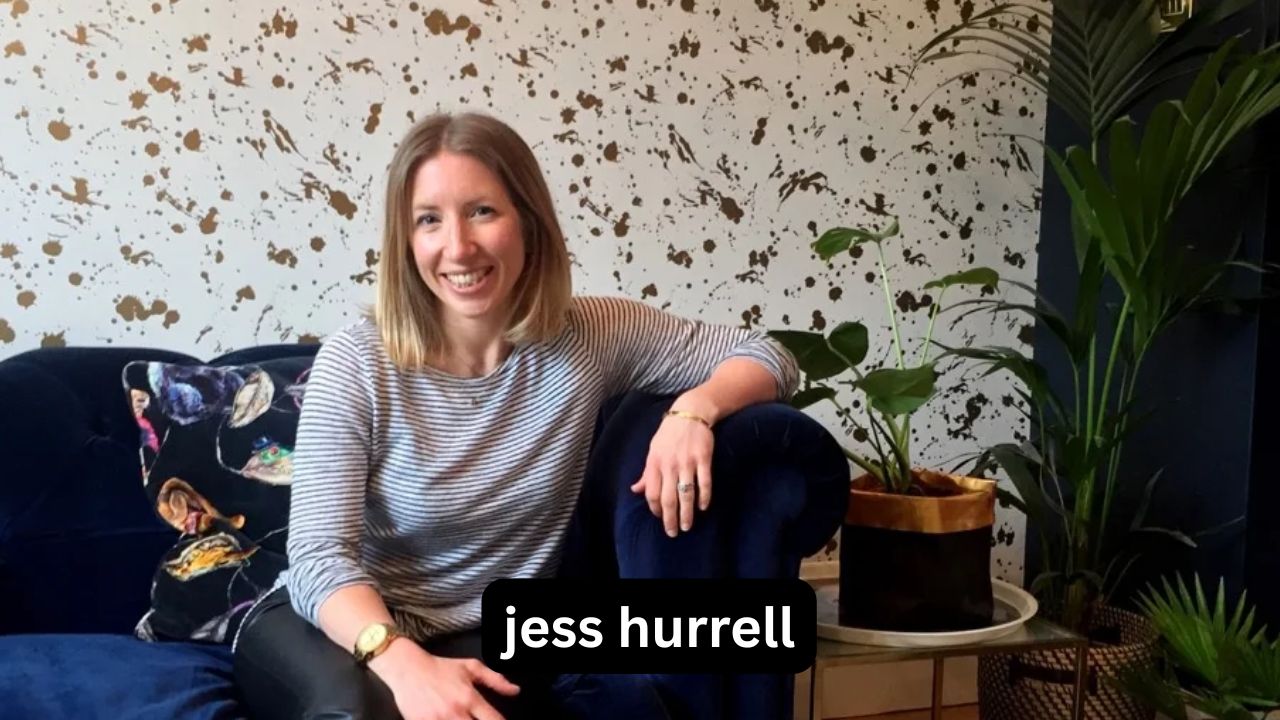
When people search for Jess Hurrell cancer, they are often trying to answer several difficult questions at once: What cancer did she have? How long was she ill? Did Jess Hurrell have melanoma? When did she pass away? And what is actually known about her funeral and final months?
The answers are important, but so is the distinction between verified information and internet speculation. Jess Hurrell was known publicly for her colourful interiors, lifestyle content, family life and the blog Gold Is A Neutral. Behind that upbeat online presence, however, she had been living with cancer for years. Her family confirmed her death in August 2025 at the age of 42 after an eight-year battle with cancer.
Her husband, David Hurrell, later provided more specific information, describing her illness as melanoma in a memorial fundraiser.
This article explains what is known about Jess Hurrell’s cancer journey, why melanoma is associated with her story, what can responsibly be said about her death and funeral, and why searches such as “Jess Hurrell Tattle” should be treated carefully.
Who was Jess Hurrell?
Jess Hurrell was a British interiors writer, blogger and social-media creator who developed a loyal audience around home design and everyday family life.
She became particularly recognised through her interiors platform Gold Is A Neutral, where she shared colourful decorating ideas, home transformations, recipes, family moments and lifestyle content. Her Instagram audience grew to more than 94,000 followers, making her a familiar name among people interested in interiors and lifestyle content.
Before building her online career, Hurrell had worked for a national newspaper. She later moved toward blogging and digital content after having children.
That background helps explain why her death generated interest beyond celebrity news. People who followed her had often encountered her through ordinary, relatable subjects—homes, food, family trips and decorating—rather than through a conventional entertainment career.
Why her story surprised many followers
One of the most striking aspects of the reports surrounding Jess Hurrell’s death was how little her serious illness appeared to define her public personality.
Her family said that many people did not realise how much she was dealing with because she remained positive and continued living her life with considerable energy.
That is worth remembering when looking at social-media personalities generally. An Instagram account is a selected window into someone’s life, not a medical record.
A person can post holidays, family celebrations or home projects while simultaneously dealing with a serious illness privately.
Did Jess Hurrell have cancer?
Yes. Jess Hurrell had been living with cancer for approximately eight years before her death.
Her family announced her death in August 2025, stating that she had passed away following an eight-year battle with cancer. She was 42.
Her husband’s later memorial fundraiser gives a more specific description. David Hurrell wrote that his wife had experienced an eight-year battle with melanoma. The fundraiser was created in her memory to support Melanoma Focus.
This difference in wording explains why some searches produce only “cancer” while others specifically mention “melanoma”.
The family announcement was understandably broad and focused on Jess as a person. Her husband’s memorial message supplied additional information about the particular disease.
Was Jess Hurrell’s cancer melanoma?
Public information from her husband identifies her cancer as melanoma. The memorial fundraiser was specifically established for Melanoma Focus, and David described Jess as having battled melanoma for eight years.
Some later reports have also described her illness as stage 4 melanoma and discussed treatment such as surgery, immunotherapy and radiotherapy. However, those details should be treated more cautiously than the basic diagnosis because different secondary reports provide different levels of detail.
The safest distinction is:
- Confirmed: Jess Hurrell battled cancer for eight years.
- Confirmed by her husband: The cancer was melanoma.
- Reported in some secondary accounts: Her illness progressed to stage 4 and involved extensive treatment.
- Not publicly established in sufficient detail: Her complete medical records, exact treatment timeline, scans, medication history and final medical circumstances.
That distinction matters because cancer stories are particularly vulnerable to online exaggeration.
What happened during Jess Hurrell’s cancer journey?
Jess Hurrell’s cancer journey appears to have lasted for most of the period during which she was also building her public online presence.
Reports published after her death describe a prolonged period of treatment. Some accounts state that she had surgery and received immunotherapy, while later reports discuss the cancer spreading and further treatment.
However, there is an important lesson here: a treatment history repeated by several entertainment websites is not automatically equivalent to a complete medical record.
Jess herself had spoken publicly about aspects of her illness, which helped followers understand that the cheerful lifestyle content they saw online did not represent everything happening in her life.
Why the timeline can look confusing
A common misunderstanding comes from reading “cancer-free” as though it means the end of the story.
Cancer can involve periods of remission, treatment completion, recurrence or further monitoring. A person can receive encouraging news at one stage and still face serious developments later.
Some reports about Jess describe her as having received positive news in early 2025 before her later death.
The important point is that a previous statement about being cancer-free should not automatically be interpreted as proof that the disease had permanently disappeared.
When did Jess Hurrell pass away?
Jess Hurrell died in August 2025 at the age of 42.
Her family publicly announced her death on August 30, 2025, saying that she had passed away the previous Friday following her eight-year cancer battle.
Her death was subsequently reported by numerous publications, with coverage focusing on her interiors career, family and long illness.
Her husband David also shared a deeply personal tribute around what would have been their wedding anniversary. Reports said the couple had been together for around 25 years and married in 2011. They had two children.
The contrast between their long relationship and her relatively young age made the news particularly poignant for followers.
Jess Hurrell funeral: what is publicly known?
Searches for Jess Hurrell funeral are understandable following her death, but this is an area where caution is especially important.
A detailed, reliably documented public announcement confirming the funeral date, venue, order of service or private family arrangements is not clearly established in the strongest sources reviewed.
That does not mean there was no funeral.
It simply means that readers should not treat an unverified online claim about a funeral as established fact.
There is an important difference between:
- Confirmation that someone has died.
- A family tribute announcing the death.
- A public funeral announcement.
- Unverified claims about private funeral arrangements.
Only the first two are clearly documented in the main reports surrounding Jess’s death.
Why funeral rumours spread so quickly
When a public figure dies, people naturally search for ways to pay their respects. This can lead to old posts, comments and forum discussions being brought back into circulation.
The problem is that a comment saying “the funeral is on…” is not necessarily an official announcement.
For a family dealing with bereavement, respecting the boundary between public remembrance and private arrangements is important.
What does “Jess Hurrell Tattle” mean?
The search phrase Jess Hurrell Tattle appears to be associated with people looking for online gossip or forum discussions concerning Jess Hurrell.
“Tattle” discussions can sometimes help explain what members of an online community were talking about, but they should not be confused with primary evidence.
This is particularly important when the subject is:
- Cancer diagnosis
- Medical treatment
- Hospital stays
- Family circumstances
- Cause of death
- Funeral arrangements
A forum comment can be interesting as evidence of what people were discussing, but it does not prove that the underlying claim is true.
A useful rule for reading Tattle discussions
If a claim appears on a gossip forum, ask:
Who originally confirmed this information?
If the answer is “another commenter”, it should remain unverified.
If the information can be traced back to Jess herself, her family, her husband or a reputable report quoting them, it carries considerably more weight.
This is one of the most important practical lessons when researching Jess Hurrell online.
Jess Hurrell’s husband and children
Jess Hurrell was married to David Hurrell.
The couple had been together for approximately 25 years and married in 2011. They had two children.
David’s public response after her death was particularly personal because the couple had expected to reach another wedding anniversary together.
He also established a memorial fundraiser for Melanoma Focus, linking Jess’s legacy directly to melanoma awareness and support.
That fundraising effort is significant because it provides a stronger source for understanding the nature of Jess’s illness than many speculative articles published after her death.
Three things people often misunderstand about Jess Hurrell’s story
1. A positive online personality does not mean someone is healthy
Jess’s family specifically highlighted how positive and energetic she remained while dealing with cancer.
Her story therefore demonstrates something broader about social media: visible happiness and serious illness can exist at the same time.
2. “Cancer” and “melanoma” are not contradictory descriptions
Melanoma is a type of cancer. Therefore, reports saying Jess died after an eight-year cancer battle and her husband’s statement identifying melanoma are describing the same underlying illness at different levels of specificity.
The broad description came from the family announcement; the more specific diagnosis came from David’s memorial fundraiser.
3. Not every detail needs to be filled in
One of the biggest problems with celebrity health coverage is the pressure to provide an answer for every unanswered question.
If reliable sources do not establish Jess’s exact final treatment, hospital, funeral arrangements or other private details, the responsible answer is simply that those details are not publicly confirmed.
That is more useful—and more trustworthy—than turning speculation into apparent fact.
What can Jess Hurrell’s story teach us about melanoma?
Jess’s experience has also drawn attention to melanoma because of the memorial fundraiser established in her name.
Melanoma is a form of skin cancer that can become serious when it spreads. Changes in a mole or new unusual skin lesions can warrant professional assessment, particularly when they show concerning characteristics such as asymmetry, irregular borders, changing colour or noticeable change over time.
However, Jess’s personal diagnosis should not be used to diagnose another person’s skin condition.
If someone notices a changing mole or suspicious skin lesion, the appropriate step is to have it assessed by a qualified healthcare professional rather than trying to compare it directly with a celebrity’s experience.
Common mistakes when researching Jess Hurrell’s death
If you are trying to understand what happened to Jess, avoid these common mistakes:
Mistake 1: Treating every article as an independent source.
Many entertainment sites simply repeat the same original announcement.
Mistake 2: Treating forum comments as medical evidence.
Online discussions may contain rumours, assumptions or outdated information.
Mistake 3: Confusing reported treatment details with complete medical history.
Even credible reporting rarely provides a person’s full medical record.
Mistake 4: Assuming funeral information must be public.
A family can confirm a death without making private funeral arrangements public.
Mistake 5: Reducing Jess’s life to her cancer.
Her career, interiors work, family and creative influence were significant parts of her identity.
FAQ
Did Jess Hurrell die from cancer?
Yes. Jess Hurrell died in August 2025 at the age of 42 after an eight-year battle with cancer, according to her family. Her husband later specifically identified the illness as melanoma.
Did Jess Hurrell have melanoma?
Yes. David Hurrell’s memorial fundraiser states that Jess had battled melanoma for eight years and was created in her memory to support Melanoma Focus. Some secondary reports provide additional details about the progression and treatment of her illness, but those details should be distinguished from the directly confirmed diagnosis.
When did Jess Hurrell pass away?
Jess Hurrell passed away in August 2025, aged 42. Her family announced her death on August 30, explaining that she had died the previous Friday after an eight-year cancer battle.
Are Jess Hurrell’s funeral details public?
A detailed and reliably confirmed public record of her funeral date, location and arrangements is not clearly established in the sources reviewed. It is therefore better not to repeat unverified claims about private funeral arrangements.
What is Jess Hurrell known for?
Jess Hurrell was known for her interiors and lifestyle content, including her Gold Is A Neutral platform. She shared home transformations, recipes, family life and other lifestyle content with a substantial online audience.
What does “Jess Hurrell Tattle” refer to?
The phrase generally relates to people searching for online gossip or forum discussions about Jess Hurrell. Such discussions can show what people were saying online, but they should not be treated as reliable evidence of medical, family or funeral information unless the claims can be independently verified.
Final thoughts
Jess Hurrell’s story is much bigger than the search terms surrounding her death.
She was an interiors creator, writer, wife and mother who built a recognisable online identity around colourful homes, creativity and everyday family life. At the same time, she was privately dealing with a serious illness that lasted for approximately eight years.
Her family confirmed that she died at 42 in August 2025, while her husband David later identified the disease as melanoma and created a fundraiser in her memory for Melanoma Focus.
Perhaps the most valuable lesson is the importance of separating what is known from what is merely discussed online. Jess’s cancer diagnosis is documented. Her death is confirmed. Her husband’s melanoma tribute is documented. But many details concerning her final medical circumstances and funeral remain private or insufficiently verified.
That distinction matters because a person’s final chapter deserves accuracy as much as the rest of their life.
Jess Hurrell will ultimately be remembered not simply for the illness she fought, but for the creative work, family life and positive presence she shared with the people who followed her.
