


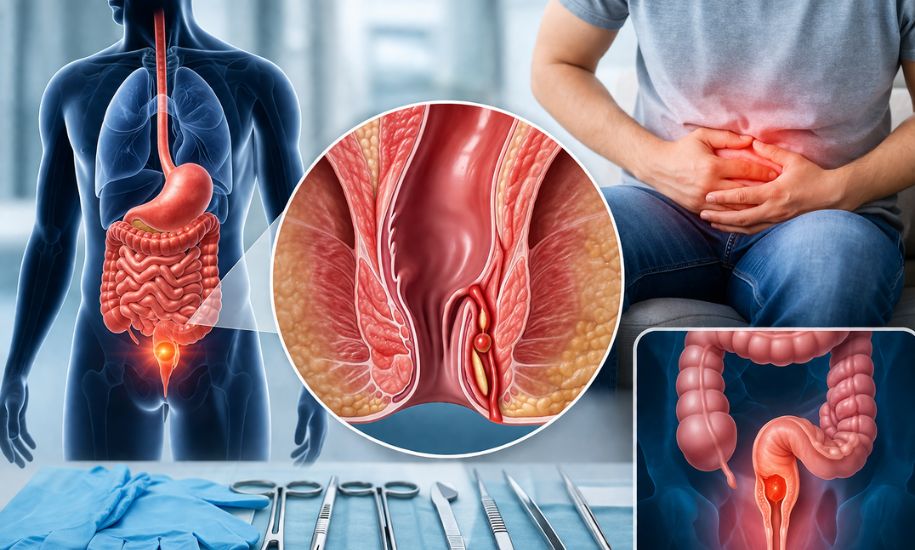
If you have searched for “fisila”, you may actually be looking for information about a fistula. “Fisila” is not the standard medical spelling used in clinical literature. It may be a spelling or pronunciation variation that people use when searching for the condition known as a fistula.
A fistula is an abnormal connection or passage between two parts of the body that do not normally connect. Depending on its location, a fistula can develop between an organ and the skin, between two organs, or between blood vessels. Some fistulas develop because of infection, inflammation, injury, surgery, or certain diseases, while some are deliberately created by doctors for medical treatment, such as an arteriovenous fistula used for dialysis.
Because fistulas occur in different parts of the body, their symptoms and treatments can vary considerably. An anal fistula, for example, may cause pain, swelling, and drainage near the anus, while a urinary or vaginal fistula can cause abnormal urine leakage.
This guide explains what “fisila” may mean, what a fistula is, its common causes, symptoms, types, diagnosis, treatment options, complications, and when medical attention is important.
What Does “Fisila” Mean?
“Fisila” is not a standard medical term. In many searches, it is likely intended to mean fistula.
A fistula is an abnormal passage or connection that develops between body structures that normally should not be connected.
For example, a fistula can form:
- Between the anus and the skin
- Between the intestine and the skin
- Between the bladder and vagina
- Between the rectum and vagina
- Between an artery and a vein
- Between other organs or tissues
The exact meaning of the condition depends on where the fistula occurs.
It is therefore important not to assume that every person searching for “fisila” has the same type of fistula.
What Is a Fistula?
A fistula is essentially an abnormal tunnel or opening between two body areas.
This passage can allow substances such as pus, stool, urine, blood, or other bodily fluids to travel where they normally should not. Fistulas can occur internally, externally, or between blood vessels.
Most fistulas develop because something has damaged or inflamed tissue. Common causes include:
- Infection
- Abscesses
- Chronic inflammation
- Injury
- Surgery
- Radiation therapy
- Certain cancers
- Inflammatory bowel disease
- Complications during childbirth
Some fistulas, however, are intentionally created for medical purposes. A surgically created arteriovenous fistula, for example, can provide vascular access for hemodialysis.
Common Causes of Fistula
The cause depends heavily on the type and location of the fistula.
1. Infection and Abscess
Infection is an important cause of some fistulas, particularly anal fistulas.
An abscess is a collection of pus caused by infection. When an abscess drains, the resulting pathway can sometimes develop into a persistent fistula.
Anal fistulas commonly develop after a perianal abscess.
2. Chronic Inflammation
Long-term inflammation can damage tissues and create abnormal connections.
Crohn’s disease, an inflammatory bowel disease, is one condition associated with fistula formation.
3. Surgery
A fistula can occasionally develop as a complication of surgery when tissues do not heal normally or an abnormal connection forms between structures.
4. Injury or Trauma
Physical injury can damage tissues and create an abnormal passage between body structures.
5. Radiation Therapy
Radiation treatment, particularly in the pelvic area, can damage tissue and contribute to fistula formation in some patients.
6. Cancer
Certain cancers can damage nearby tissues and organs, potentially resulting in a fistula.
7. Childbirth Complications
Obstetric fistula can occur after prolonged or obstructed labor when timely, appropriate obstetric care is unavailable.
This can create an abnormal opening between the birth canal and the bladder or rectum. The condition can result in continuous leakage of urine, stool, or both.
Types of Fistula
There is no single type of fistula. The condition is classified according to the body structures involved.
Anal Fistula
An anal fistula is an abnormal passage between the inside of the anus and the skin around the anus.
It commonly develops following an anal or perianal abscess.
Typical symptoms can include:
- Pain around the anus
- Swelling
- Redness
- Pus drainage
- Blood or other discharge
- Recurrent abscesses
Surgery is commonly required to treat an anal fistula, although the exact approach depends on its complexity and relationship to the anal sphincter muscles.
Arteriovenous Fistula
An arteriovenous (AV) fistula is a direct connection between an artery and a vein.
Not every AV fistula is a disease. Doctors intentionally create AV fistulas in some people who need long-term hemodialysis because the connection provides suitable vascular access.
Abnormal AV fistulas can also develop because of injury or other medical conditions and may require treatment.
Rectovaginal Fistula
A rectovaginal fistula creates an abnormal connection between the rectum and vagina.
Possible causes include:
- Childbirth injuries
- Pelvic surgery
- Inflammatory bowel disease
- Infection
- Cancer
- Radiation treatment
Symptoms can include passage of gas or stool through the vagina and recurrent infections.
Vesicovaginal Fistula
A vesicovaginal fistula is an abnormal connection between the bladder and vagina.
A major symptom is urine leaking through the vagina when it should not.
Potential causes include childbirth injury, pelvic surgery, cancer, radiation, and other forms of tissue damage.
Enterocutaneous Fistula
An enterocutaneous fistula connects the intestine with the skin.
It can allow intestinal contents to reach the skin and may occur after abdominal surgery, infection, inflammatory disease, or other intestinal problems.
These fistulas can require specialized medical management because fluid and electrolyte losses may become significant.
Obstetric Fistula
Obstetric fistula is a serious childbirth-related condition.
It can occur after prolonged, obstructed labor without timely access to appropriate obstetric care. The resulting opening can develop between the birth canal and the bladder or rectum.
WHO emphasizes that obstetric fistula is largely preventable through timely, quality maternal and emergency obstetric care.
Symptoms of Fistula
Symptoms depend on the location and type of fistula.
Possible symptoms include:
- Persistent or recurring pain
- Swelling
- Redness
- Pus or fluid drainage
- Blood in discharge
- Foul-smelling discharge
- Skin irritation
- Recurrent abscesses
- Unusual urine leakage
- Stool or gas passing through an abnormal opening
- Difficulty with normal bodily functions
For example, an anal fistula may cause pain and drainage near the anus, while a vaginal fistula may cause urine, stool, or gas to pass through the vagina.
Some fistulas may not cause obvious pain, so the absence of pain does not necessarily rule one out.
When Should You See a Doctor?
You should seek medical evaluation if you notice:
- Persistent drainage from an unusual opening
- Repeated swelling or abscesses
- Persistent pain around the anus
- Unexplained urine leakage
- Stool or gas coming from an unusual location
- Fever associated with swelling or drainage
- Symptoms that return after previous fistula treatment
A fistula generally requires professional assessment because its location and underlying cause determine the appropriate treatment.
Do not rely on home remedies to close a suspected fistula without medical evaluation.
How Is a Fistula Diagnosed?
Diagnosis begins with a medical history and physical examination.
The doctor may ask about:
- When symptoms started
- Previous infections or abscesses
- Previous surgery
- Digestive diseases
- Childbirth history
- Radiation treatment
- Previous fistula treatment
Additional tests may be needed to determine the exact location and structure of the fistula.
Imaging Tests
Depending on the suspected type, doctors may use:
- MRI
- CT scan
- Ultrasound
- X-rays with specialized contrast studies
MRI is particularly useful for mapping some complex fistulas.
Endoscopic Tests
Depending on the suspected location, doctors may use:
- Colonoscopy
- Sigmoidoscopy
- Cystoscopy
- Endoscopic ultrasound
- Bronchoscopy
- Other specialized examinations
The choice of test depends on which organs may be involved.
How Is Fistula Treated?
There is no single treatment for every fistula.
Treatment depends on:
- Type
- Location
- Size
- Complexity
- Underlying cause
- Presence of infection
- Previous treatment
- Involvement of nearby organs or muscles
Medication
Medication may be used when infection or an underlying inflammatory condition contributes to the fistula.
Depending on the situation, treatment may include:
- Antibiotics for certain infections
- Anti-inflammatory medicines
- Medicines that control inflammatory bowel disease
- Other condition-specific treatments
Medication alone does not necessarily close every fistula.
Surgery
Many fistulas require surgical treatment.
The procedure depends on the anatomy and type of fistula.
For anal fistulas, possible procedures include:
- Fistulotomy
- Seton placement
- Advancement flap procedures
- Other sphincter-sparing techniques
The choice is important because surgery involving the anal sphincter must balance fistula healing with preservation of bowel control.
Catheter or Drainage
Some urinary fistulas may be managed initially with continuous bladder drainage, particularly in selected small or recent fistulas.
For some vesicovaginal fistulas, a catheter may allow the bladder to remain drained while the tissue heals, although many cases ultimately require surgery.
Minimally Invasive or Specialized Treatments
Depending on the type of fistula, doctors may consider specialized techniques such as:
- Endoscopic procedures
- Fibrin sealants
- Fistula plugs
- Laser-based approaches
- Catheter-based vascular procedures
These treatments are not appropriate for every fistula, and their suitability depends on the individual case.
Can a Fistula Heal on Its Own?
Some fistulas may close with appropriate conservative treatment, particularly certain small or recently developed fistulas.
However, many persistent fistulas require medical or surgical treatment.
For example, most anal fistulas do not reliably disappear permanently without appropriate treatment, and an apparently closed opening can sometimes reopen if the underlying tract remains.
This is why a suspected fistula should be evaluated rather than simply waiting for symptoms to disappear.
Possible Complications
An untreated or recurring fistula can cause ongoing problems.
Possible complications include:
- Repeated infections
- Recurrent abscesses
- Persistent drainage
- Skin irritation
- Pain
- Reduced quality of life
- Nutritional or fluid problems in some intestinal fistulas
- Recurrence after treatment
The risks vary greatly depending on the type of fistula.
Some uncommon fistulas can be medical emergencies. For example, an aortoenteric fistula can cause severe gastrointestinal bleeding and requires immediate emergency treatment.
Fistula vs Abscess vs Hemorrhoids
These conditions are sometimes confused, particularly when symptoms occur around the anus.
| Condition | What it is | Typical feature |
|---|---|---|
| Fistula | Abnormal tunnel or connection | Persistent drainage or recurring opening |
| Abscess | Collection of pus caused by infection | Painful swelling and inflammation |
| Hemorrhoids | Swollen veins in the anus/rectum | Bleeding, itching or a lump |
An abscess can lead to an anal fistula, so the two conditions can be closely related.
Fistula and Crohn’s Disease
Crohn’s disease can cause persistent inflammation in the digestive tract and increase the risk of fistulas.
In these cases, treating the underlying inflammatory disease can be an important part of management.
Some fistulas associated with Crohn’s disease may respond to medical therapy, while others require surgical or combined treatment.
This is one reason fistula treatment should be individualized rather than based on a single procedure or home remedy.
Obstetric Fistula: A Global Health Issue
Obstetric fistula remains an important global maternal-health issue.
According to WHO, it is strongly associated with prolonged obstructed labor and lack of timely access to quality obstetric care. Women affected by obstetric fistula may experience continuous urinary or fecal incontinence as well as physical and social consequences.
Prevention depends heavily on:
- Access to quality maternity care
- Skilled birth attendance
- Timely emergency obstetric intervention
- Access to family planning and reproductive healthcare
Treatment and surgical repair can help many affected women, although the complexity of repair depends on the individual fistula.
Can Fistulas Be Prevented?
Not every fistula can be prevented because some result from unavoidable medical conditions, injuries, or surgical complications.
However, risk can sometimes be reduced by:
- Seeking timely treatment for infections
- Getting appropriate care for abscesses
- Managing inflammatory bowel disease
- Following postoperative instructions
- Obtaining timely maternal and emergency obstetric care
- Seeking medical evaluation for unusual drainage or leakage
Prevention of obstetric fistula is particularly connected with access to appropriate childbirth and emergency obstetric services.
Living With a Fistula
A fistula can affect more than physical health.
Persistent drainage, leakage, pain, repeated procedures, or fear of recurrence can affect daily activities, work, relationships, and emotional well-being.
Treatment plans may therefore include more than the procedure itself.
Depending on the type of fistula, supportive care may involve:
- Wound and skin care
- Nutrition and hydration support
- Management of underlying diseases
- Follow-up appointments
- Recovery instructions after surgery
- Emotional and social support
Patients should follow the specific instructions provided by their healthcare team rather than relying on generic online advice.
FAQ
Is fisila the same as fistula?
“Fisila” is not the standard medical spelling. If you encountered the term in a search or conversation, it may be intended to refer to fistula, but the exact condition should be confirmed based on symptoms and medical evaluation.
Is a fistula dangerous?
It can be. Some fistulas cause persistent but manageable symptoms, while others can lead to serious infection, bleeding, nutritional problems, or organ complications. The level of risk depends on the type and location.
Does every fistula require surgery?
No. Treatment depends on the type and cause. Some fistulas may respond to medication or conservative management, while many persistent fistulas require a procedure or surgery.
Can an anal fistula heal without surgery?
Some cases may improve under specific circumstances, but persistent anal fistulas commonly require surgical treatment. A doctor should determine the appropriate approach.
Can a fistula come back after treatment?
Yes. Recurrence is possible, particularly with complex fistulas or when the underlying condition remains active.
What doctor treats a fistula?
The appropriate specialist depends on the location. An anal fistula may be managed by a colorectal or general surgeon, while urinary, vaginal, vascular, or digestive fistulas may require different specialists.
Final Thoughts
If you searched for “fisila,” the term most likely points toward fistula, but “fisila” itself is not a standardized medical diagnosis.
A fistula is an abnormal connection between body structures and can occur in many forms, including anal, intestinal, urinary, vaginal, obstetric, and arteriovenous fistulas. The causes range from infection and chronic inflammation to surgery, injury, childbirth complications, cancer, and radiation therapy.
Because fistulas vary so widely, there is no universal treatment. Some require medication or drainage, while others need surgery or specialized procedures. Accurate diagnosis is therefore essential.
If you have persistent pain, swelling, unusual drainage, recurrent abscesses, unexplained urine leakage, or another symptom that could indicate a fistula, consult a qualified healthcare professional rather than attempting to diagnose or treat the condition yourself.
This article is for general educational purposes and does not replace a medical examination or individualized advice from a healthcare professional.
