


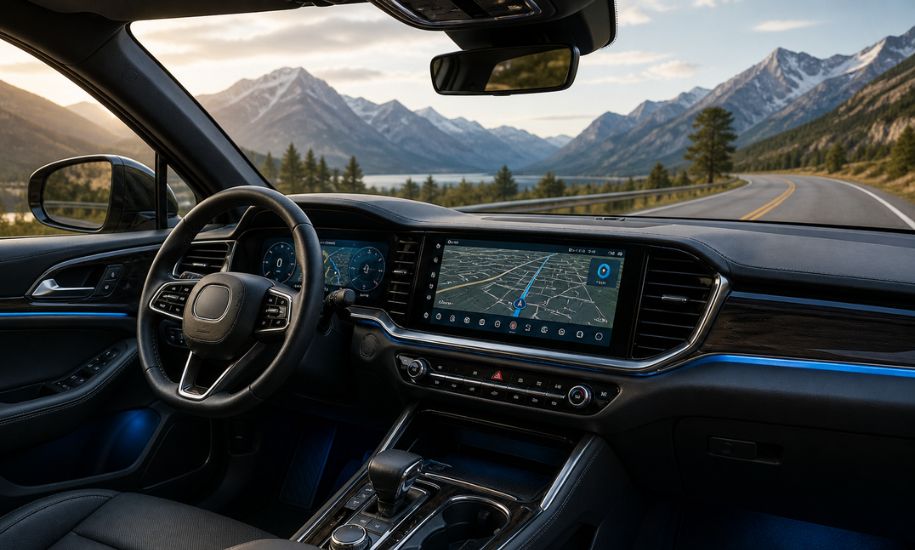
The automotive world is undergoing a dramatic transformation, and one of the most exciting innovations is the rise of SUVs with navigation in digital cockpit systems. These advanced interfaces are redefining how drivers interact with their vehicles, offering seamless connectivity, real-time navigation, and a futuristic driving experience that blends technology with convenience.
In recent years, digital cockpits have evolved from luxury-only features into mainstream expectations. Whether you’re driving a premium SUV or a mid-range family vehicle, the integration of navigation directly into a digital cockpit has become a key selling point. This article explores everything you need to know—from how these systems work to the best SUVs that offer them today.
What Is a Digital Cockpit in an SUV?
A digital cockpit replaces traditional analog dials with high-resolution digital displays that provide real-time information. Instead of separate systems for speed, navigation, and infotainment, everything is unified into a single, customizable interface.
In SUVs, this typically includes:
- A fully digital instrument cluster behind the steering wheel
- A central infotainment touchscreen
- Navigation maps displayed directly in the driver’s line of sight
- Optional head-up display (HUD) projections
The goal is simple: reduce distraction while improving accessibility to critical information.
Why Navigation in Digital Cockpit Matters
Navigation systems have been around for years, but integrating them into the digital cockpit takes usability to another level. Instead of glancing sideways at a center screen, drivers can see directions directly ahead.
Key Benefits:
- Improved Safety: Keeps eyes on the road
- Real-Time Updates: Traffic, rerouting, and alerts instantly visible
- Enhanced Convenience: No need to switch between screens
- Customization: Drivers can prioritize navigation, speed, or media
This integration is particularly useful in busy urban environments where quick decision-making is crucial.
Key Features of SUVs with Digital Cockpit Navigation
Modern SUVs equipped with digital cockpit navigation systems offer a wide range of features designed to enhance the driving experience:
1. Fully Integrated GPS Display
Navigation maps appear directly within the instrument cluster, eliminating distractions.
2. Voice-Controlled Navigation
Drivers can input destinations using voice commands, reducing manual interaction.
3. Augmented Reality Navigation
Some advanced systems overlay navigation arrows onto real-world camera views.
4. Head-Up Display (HUD)
Directions are projected onto the windshield, allowing drivers to keep their focus ahead.
5. Smartphone Integration
Compatibility with Apple CarPlay and Android Auto ensures seamless connectivity.
6. AI-Based Route Optimization
Smart systems learn driving habits and suggest the best routes based on traffic and preferences.
Top SUVs with Navigation in Digital Cockpit
Audi Q8 – Benchmark in Digital Cockpit Technology
5
The Audi Q8 stands as one of the most advanced SUVs in terms of digital cockpit technology. Its Virtual Cockpit allows full-screen navigation within the instrument cluster, offering crisp visuals and intuitive controls. Audi has set a high standard with its seamless integration of navigation and driving data.
Audi Q7 – Practical Luxury with Advanced Navigation
5
The Audi Q7 combines practicality with premium features. Its digital cockpit supports detailed navigation maps and customizable layouts, making it ideal for families who want both comfort and cutting-edge tech.
Hyundai Tucson – Affordable Innovation
6
The Hyundai Tucson proves that advanced technology doesn’t have to be expensive. With its connected navigation cockpit, it offers voice-controlled navigation and real-time updates, making it a strong contender in the mid-range segment.
Kia Sportage – Stylish and Tech-Forward
6
The Kia Sportage features dual curved displays that merge navigation and infotainment into a sleek interface. It’s one of the most visually appealing digital cockpits available today.
Ford Explorer – Technology Meets Utility
6
The Ford Explorer offers a large touchscreen combined with a digital instrument cluster. Its navigation system is responsive and integrates well with voice commands, making it ideal for long-distance travel.
Range Rover – Luxury Redefined
6
The Range Rover delivers a premium experience with its interactive driver display and head-up navigation system. It focuses on minimizing distraction while maximizing comfort and control.
Mercedes-Benz EQS SUV – The Future of Digital Cockpits
7
The Mercedes-Benz EQS SUV features the revolutionary Hyperscreen—a massive digital interface that spans the dashboard. Its AI-powered navigation system offers predictive routing and voice assistance, setting a new benchmark in automotive technology.
Trends Shaping Digital Cockpit SUVs
The rapid evolution of digital cockpit systems is driven by several key trends:
1. Shift Toward Software-Defined Vehicles
Automakers are focusing on software updates to improve navigation and cockpit functionality over time.
2. AI and Machine Learning Integration
Navigation systems are becoming smarter, learning user behavior and preferences.
3. Increased Use of Augmented Reality
AR navigation is expected to become standard in the near future.
4. Multi-Screen Panoramic Displays
SUVs are now featuring wide, curved displays that merge multiple functions into one interface.
5. Connectivity and Cloud Integration
Real-time traffic updates and cloud-based navigation are becoming essential features.
Advantages and Challenges
Advantages:
- Enhanced driving safety
- Better user experience
- Real-time navigation accuracy
- Seamless integration with other systems
Challenges:
- Higher cost in some models
- Learning curve for new users
- Dependence on software reliability
Despite these challenges, the benefits far outweigh the drawbacks, making digital cockpits a must-have feature in modern SUVs.
Future of SUVs with Navigation in Digital Cockpit
The future looks incredibly promising. As technology continues to evolve, digital cockpits will become more immersive and intelligent. We can expect:
- Fully voice-controlled systems
- Gesture-based controls
- Advanced AI assistants
- Integration with autonomous driving features
In the coming years, digital cockpits will not just assist drivers—they will become central to the entire driving experience.
Conclusion
SUVs with navigation in digital cockpit systems are no longer a luxury—they are quickly becoming the standard. From high-end models like the Audi Q8 and Mercedes-Benz EQS SUV to more accessible options like the Hyundai Tucson and Kia Sportage, this technology is transforming how we drive.
If you’re planning to buy a new SUV, choosing one with a digital cockpit and integrated navigation is a smart investment. It not only enhances convenience but also improves safety and overall driving satisfaction.
For more in-depth automotive insights and tech-driven content, visit our blog Getty Meta, where we explore the latest trends shaping the future of mobility.
