


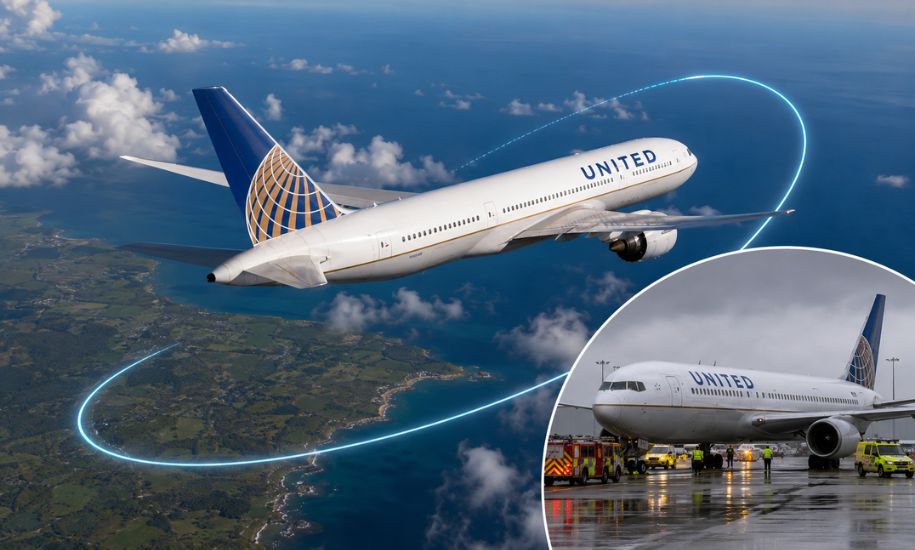
Air travel is often viewed as one of the safest and most carefully regulated forms of transportation in the world. Every day, thousands of flights cross oceans, mountains, and continents without major issues. However, when an unexpected event occurs during a long-haul flight, airlines must make rapid decisions that prioritize safety above all else. One such incident that gained significant online attention was the United Flight UA109 diversion.
The unexpected diversion of United Airlines Flight UA109 sparked widespread discussion across aviation forums, travel blogs, and social media platforms. Many passengers and aviation enthusiasts wanted to know what happened, why the aircraft changed course, and how the airline handled the situation. While flight diversions are not extremely rare in commercial aviation, every incident provides insight into the strict safety procedures airlines follow during emergencies.
This article explores the complete story behind the United Flight UA109 diversion, including the route, aircraft details, cause of diversion, passenger reactions, aviation safety protocols, and why Dublin Airport became the emergency stop location.
Overview of United Flight UA109
United Airlines Flight UA109 is an international long-haul route connecting Europe and the United States. On the day of the incident, the flight was traveling from Munich Airport in Germany to Washington Dulles International Airport in the United States.
The aircraft involved in the incident was reportedly a Boeing 787-8 Dreamliner, one of the most advanced long-distance commercial aircraft currently operating worldwide. Known for fuel efficiency, passenger comfort, and long-range capabilities, the Boeing 787 is commonly used on transatlantic routes.
Initially, the flight departed normally from Munich, and everything appeared routine during the early stages of the journey. However, while crossing the Atlantic flight corridor, the situation changed unexpectedly.
What Happened During the Flight?
According to multiple aviation reports and travel blogs, the United Flight UA109 diversion occurred because of a medical emergency involving a crew member onboard the aircraft.
Reports indicated that a flight attendant developed a serious health issue during the journey. Because cabin crew members are essential safety personnel on commercial flights, airlines must ensure the aircraft maintains the legally required number of operational crew members throughout the flight.
Once the crew member became unable to continue duties safely, the airline reportedly decided that continuing across the Atlantic without adequate operational staffing could create unnecessary safety risks. As a result, the pilots coordinated with air traffic control and initiated a diversion procedure.
Passengers tracking the flight later noticed the aircraft changing direction over the Atlantic before heading toward Ireland.
Why Flight Diversions Happen
To many travelers, a flight diversion may seem dramatic or alarming. In reality, diversions are part of standard aviation safety procedures.
Airlines may divert a flight for several reasons, including:
- Medical emergencies
- Technical concerns
- Severe weather
- Security threats
- Passenger disturbances
- Fuel-related issues
- Crew-related emergencies
In the case of the United Flight UA109 diversion, reports suggested the issue was related to crew health rather than aircraft malfunction.
Commercial aviation operates under strict international regulations. Even if the aircraft itself is functioning perfectly, airlines cannot continue long-haul operations if mandatory safety requirements are compromised.
This demonstrates how airlines prioritize passenger and crew safety over scheduling convenience.
Why Dublin Airport Was Selected
One of the most discussed aspects of the incident was why the aircraft diverted specifically to Dublin Airport in Ireland.
There are several operational reasons why Dublin is frequently selected during transatlantic diversions.
Strategic Atlantic Position
Dublin sits along major North Atlantic flight routes connecting Europe and North America. Aircraft flying westbound across the Atlantic often pass within range of Ireland, making Dublin a practical emergency option.
Strong Emergency Services
Dublin Airport has advanced emergency response infrastructure, including:
- Medical support teams
- Aircraft rescue units
- Long-haul passenger handling capability
- International customs facilities
ETOPS Planning
Modern twin-engine aircraft like the Boeing 787 operate under ETOPS regulations, which stand for:
Extended-range Twin-engine Operational Performance Standards.
ETOPS rules require airlines to maintain nearby alternate airports throughout long ocean crossings. Dublin is one of the primary alternate airports used for transatlantic operations.
Long Runways for Widebody Aircraft
The airport is fully capable of handling large international aircraft, including Boeing 787 Dreamliners and Boeing 777 aircraft.
For all these reasons, Dublin became the logical diversion point for United Flight UA109.
Passenger Experience During the Diversion
Passengers onboard reportedly experienced confusion at first, as many were unaware of the exact reason for the course change.
Some travelers noticed the aircraft turning around using flight tracking applications. As speculation grew online, social media users quickly began discussing the unusual route deviation.
However, according to reports:
- The aircraft landed safely
- No injuries occurred
- No emergency evacuation was required
- Passengers remained relatively calm
- Medical personnel met the aircraft after landing
Travel blogs covering the incident noted that United Airlines handled the diversion professionally and minimized delays as much as possible.
Many passengers reportedly appreciated the airline’s decision to prioritize safety instead of attempting to continue the journey under uncertain conditions.
Aviation Safety Procedures in Action
One reason the United Flight UA109 diversion gained attention is because it highlighted how modern aviation safety systems work in real time.
Commercial aviation relies heavily on layered safety procedures. Pilots, cabin crew, dispatch teams, maintenance coordinators, and air traffic controllers all work together when an onboard issue arises.
Crew Health Matters
Cabin crew are not simply service staff. They are trained aviation safety professionals responsible for:
- Emergency evacuations
- Fire response
- Passenger medical assistance
- Cabin security
- Safety equipment operation
If a crew member becomes medically unable to perform these tasks, airlines must evaluate whether continuing the flight remains safe and legal.
Pilot Decision-Making
Pilots follow strict operational procedures when evaluating diversions. Factors include:
- Distance to alternate airports
- Passenger safety
- Weather conditions
- Fuel reserves
- Airport infrastructure
- Medical response availability
In the UA109 incident, the diversion decision appears to have been made proactively before the situation escalated further.
The Role of the Boeing 787 Dreamliner
The Boeing 787 Dreamliner is designed specifically for efficient long-haul international travel.
Some important features include:
- Advanced navigation systems
- Improved fuel efficiency
- Long operational range
- Enhanced cabin pressure systems
- Modern communication systems
Despite the aircraft’s advanced technology, aviation experts often emphasize that safety decisions are not based solely on aircraft capability. Human operational factors remain critically important.
The United Flight UA109 diversion serves as a reminder that aviation safety depends equally on crew readiness and operational compliance.
How Social Media Amplified the Story
The incident became widely discussed online shortly after the diversion occurred. Flight tracking platforms and aviation communities played a major role in spreading information.
Today, passengers and aviation enthusiasts can track aircraft in real time using:
- FlightRadar24
- FlightAware
- ADS-B Exchange
As soon as users noticed the unusual route change, screenshots and discussions began circulating online.
Travel bloggers and aviation news sites quickly published articles analyzing:
- The diversion route
- Possible causes
- Aircraft registration details
- Passenger experiences
- Safety procedures
This rapid spread of information helped the keyword “united flight ua109 diversion” trend across search engines and aviation communities.
Emergency Diversions Are More Common Than Many Realize
Although the incident attracted public attention, aviation experts point out that flight diversions occur regularly around the world.
Every day:
- Flights divert due to weather
- Medical emergencies happen onboard
- Technical alerts require inspections
- Crew scheduling issues occur
- Passengers require urgent care
Most diversions end safely and professionally without major incidents.
The reason many people rarely hear about them is because airlines and aviation crews are highly trained to manage these situations efficiently.
Passenger Rights During Diversions
One common question travelers ask after incidents like the United Flight UA109 diversion is whether passengers receive compensation.
Compensation depends on several factors:
- Cause of the diversion
- Local aviation regulations
- Delay duration
- Airline policy
Because this diversion reportedly involved a medical emergency, it may fall under operational safety exceptions rather than standard airline liability cases.
However, airlines generally provide:
- Rebooking assistance
- Updated travel information
- Accommodation support if necessary
- Meal vouchers during major delays
In this case, reports indicated the delay remained relatively limited compared to many large-scale disruptions.
Lessons from the United Flight UA109 Diversion
The incident offers several important lessons about modern aviation.
Safety Always Comes First
Airlines prioritize passenger safety over schedules or operational costs.
Crew Members Play Critical Safety Roles
Cabin crew are essential operational personnel, not simply customer service staff.
Diversions Are Preventive Measures
A diversion does not necessarily mean disaster. In many cases, it is a precautionary decision designed to prevent risks from escalating.
Aviation Systems Are Highly Coordinated
The safe landing in Dublin demonstrated successful coordination between:
- Pilots
- Cabin crew
- Dispatch teams
- Air traffic control
- Airport emergency services
Public Interest in Aviation Incidents
Search interest surrounding the United Flight UA109 diversion also reflects the growing public fascination with aviation incidents.
People often search for:
- Real-time flight tracking
- Emergency landings
- Diversion explanations
- Pilot decisions
- Passenger experiences
Because aviation remains highly technical and safety-focused, incidents like this naturally attract public curiosity.
However, aviation experts consistently remind travelers that modern commercial aviation remains statistically one of the safest transportation systems in existence.
Final Thoughts
The United Flight UA109 diversion became a widely discussed aviation story because it combined real-time flight tracking, international travel, passenger curiosity, and operational decision-making into one unusual event.
Although the diversion may initially have appeared alarming to passengers and online observers, reports suggest the incident was handled professionally and safely from start to finish. The crew’s decision to divert to Dublin demonstrated the effectiveness of international aviation safety procedures and emergency planning systems.
In the end, the safe landing of UA109 highlighted an important truth about modern aviation: safety protocols exist precisely for situations like these, and airlines are trained to respond quickly whenever unexpected circumstances arise.
For more aviation insights, travel trends, and detailed informational articles, readers can also explore content published on the English blog site Getty Meta.
