


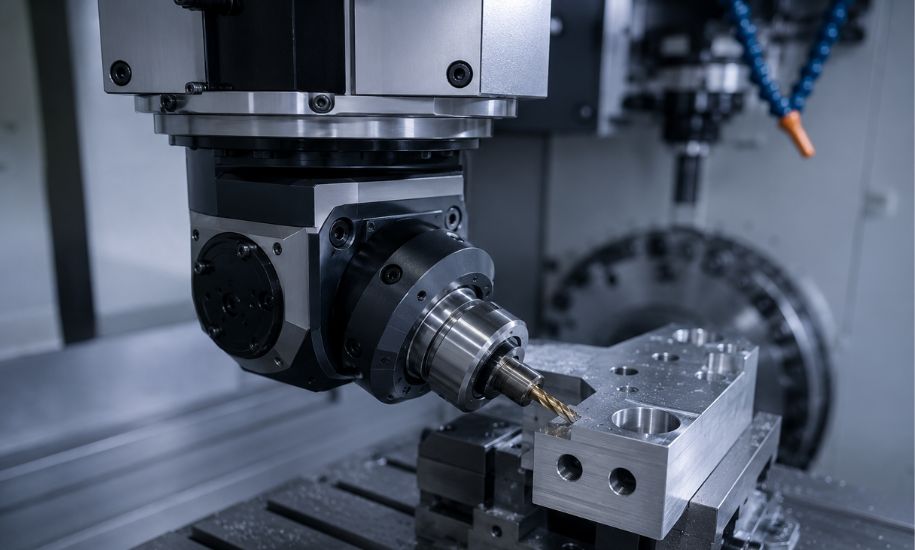
Modern manufacturing is built around three major goals: higher precision, faster production, and maximum flexibility. As industries move toward automation and advanced CNC systems, manufacturers need specialized equipment that can perform complex operations while reducing setup time.
One important solution that has become increasingly valuable in industrial machining is the Winkelbohrspindel (angle drilling spindle).
A Winkelbohrspindel allows machines to perform drilling, milling, and machining operations at different angles, especially in areas that are difficult to reach with a standard spindle. This technology improves production efficiency, reduces manual adjustments, and helps manufacturers create complex components with greater accuracy.
From automotive production and aerospace engineering to woodworking and precision CNC manufacturing, angle spindle systems play an important role in modern industrial processes.
This guide explains what a Winkelbohrspindel is, how it works, its applications, advantages, maintenance requirements, and how to choose the right system for industrial needs.
What Is a Winkelbohrspindel?
A Winkelbohrspindel is a specialized spindle attachment designed to change the direction of rotational movement, usually by 90 degrees.
The German term describes its function:
- Winkel = angle
- Bohr = drilling
- Spindel = spindle
Unlike a traditional spindle that operates along a straight axis, a Winkelbohrspindel redirects the rotation so that tools can work horizontally or at another required angle.
This makes it possible to machine:
- Side holes
- Angled surfaces
- Internal areas
- Hard-to-reach sections
without constantly repositioning the workpiece.
For CNC manufacturers, this means fewer machine setups, shorter production cycles, and improved consistency.
How Does a Winkelbohrspindel Work?
The working principle of an angle drilling spindle is based on transferring and redirecting rotational power.
The machine spindle provides the initial rotation. Inside the Winkelbohrspindel, a precision gear system changes the direction of this movement.
Most systems use:
- Bevel gears
- Precision bearings
- Hardened drive components
- Cooling systems
- Balanced rotating parts
The internal mechanism converts vertical spindle movement into angled or horizontal tool movement while maintaining accuracy.
A high-quality Winkelbohrspindel must operate with minimal vibration because even small movements can affect machining quality, especially at high speeds.
Main Components of a Winkelbohrspindel
A reliable angle spindle consists of several important parts working together.
1. Protective Housing
The outer housing protects internal components from:
- Metal chips
- Coolant
- Dust
- Mechanical impacts
Industrial housings are usually manufactured from strong aluminum alloys or hardened metals to provide durability while keeping weight manageable.
2. Angle Gear Mechanism
The gear system is the heart of the Winkelbohrspindel.
Its job is to:
- Transfer power
- Change rotation direction
- Maintain stable torque output
Precision manufacturing of these gears is essential for smooth operation.
3. High-Precision Bearings
Bearings control spindle movement and reduce vibration.
Quality bearings help improve:
- Tool life
- Surface finish
- Machining accuracy
- Operating speed
4. Tool Holder System
The tool holder connects cutting tools to the spindle.
Common options include:
- ER collets
- Modular holders
- Drill chucks
- CNC-compatible tool systems
The correct holder depends on the machining application.
5. Cooling System
During intensive machining, heat can reduce accuracy and damage components.
Advanced Winkelbohrspindeln may include:
- Internal coolant channels
- Air cooling systems
- Heat management solutions
Applications of Winkelbohrspindel Technology
The flexibility of angle spindle systems makes them useful across many industries.
CNC Machining
CNC manufacturers use Winkelbohrspindeln to perform multi-directional machining without removing and repositioning components.
Typical operations include:
- Side drilling
- Angular milling
- Complex hole patterns
- Secondary machining processes
This improves automation and reduces production interruptions.
Automotive Manufacturing
The automotive industry depends on precision machining for components such as:
- Engine parts
- Transmission components
- Structural elements
- Aluminum housings
Angle spindles help manufacturers achieve complex geometries efficiently.
Aerospace Engineering
Aircraft components require extremely high accuracy.
Winkelbohrspindeln are useful for machining:
- Lightweight alloys
- Titanium parts
- Composite structures
The ability to reach difficult areas is especially valuable in aerospace production.
Woodworking Industry
Modern furniture and cabinet production often requires precise angled drilling.
Applications include:
- Hidden joints
- Cabinet assembly
- Custom furniture designs
- Decorative machining
Plastic and Composite Manufacturing
Angle spindle systems are also used for:
- Acrylic components
- PVC parts
- Carbon fiber materials
- Composite panels
The correct tooling allows clean and accurate machining.
Advantages of Using a Winkelbohrspindel
The growing popularity of these systems comes from several practical benefits.
Better Access to Difficult Areas
The biggest advantage is the ability to machine areas that standard spindles cannot easily reach.
This is especially useful for complex components with multiple surfaces.
Reduced Setup Time
Traditional machining may require operators to:
- Remove parts
- Rotate components
- Adjust fixtures
- Restart operations
A Winkelbohrspindel reduces these steps by allowing machining from different directions in one setup.
Higher Accuracy
Fewer repositioning steps mean fewer alignment errors.
This improves:
- Dimensional accuracy
- Repeatability
- Product quality
Increased Production Efficiency
Manufacturers benefit from:
- Shorter machining cycles
- Less manual intervention
- Higher machine utilization
Greater Machine Flexibility
A single CNC machine can perform more operations without requiring multiple dedicated machines.
Winkelbohrspindel vs Standard Spindle
| Standard Spindle | Winkelbohrspindel |
|---|---|
| Straight-axis machining | Angled machining capability |
| Limited access | Reaches difficult areas |
| Simple design | Advanced gear mechanism |
| Lower investment | Higher performance capability |
| Basic operations | Complex industrial applications |
Although Winkelbohrspindeln usually require a higher initial investment, they often provide better productivity in advanced manufacturing environments.
Modern Technical Features
Today’s industrial angle spindles include advanced engineering improvements.
High-Speed Performance
Many modern systems support high rotational speeds while maintaining stability.
Compact Construction
Manufacturers increasingly design smaller and lighter spindle units that integrate easily into CNC machines.
Automatic Tool Compatibility
Some systems support automated manufacturing environments with:
- CNC tool changers
- Robotic production systems
- Smart machining workflows
Improved Durability
Modern materials and manufacturing techniques increase:
- Service life
- Heat resistance
- Mechanical stability
Materials Machined With Winkelbohrspindeln
A properly selected angle spindle can process many materials.
Metals
Examples include:
- Steel
- Stainless steel
- Aluminum
- Brass
- Titanium
Wood Materials
Common applications include:
- Hardwood
- MDF
- Plywood
- Particle board
Plastics and Composites
Suitable materials include:
- PVC
- Acrylic
- Polycarbonate
- Carbon fiber composites
Tool selection remains critical because each material requires different cutting conditions.
Maintenance Tips for Longer Spindle Life
Regular maintenance improves reliability and reduces unexpected downtime.
Lubrication
Gears and bearings require proper lubrication according to manufacturer recommendations.
Cleaning
Remove:
- Chips
- Dust
- Coolant residue
regularly to prevent damage.
Cooling Inspection
Check cooling systems frequently to avoid overheating.
Tool Holder Checks
Loose or damaged holders can reduce precision and create safety risks.
Replace Worn Parts Early
Signs of wear may include:
- Increased vibration
- Unusual noise
- Reduced machining accuracy
Early replacement prevents larger failures.
Safety Guidelines When Using Angle Spindles
Industrial safety should always remain a priority.
Operators should:
- Follow manufacturer speed limits
- Inspect tools before operation
- Secure workpieces properly
- Use appropriate protective equipment
- Stop machines completely before maintenance
Incorrect operation can damage equipment and create workplace hazards.
How to Choose the Right Winkelbohrspindel
Selecting the correct spindle depends on several factors.
Machine Compatibility
The spindle must match:
- CNC machine specifications
- Mounting system
- Power requirements
Speed and Torque Requirements
Different applications require different performance levels.
Material Type
Hard metals require different spindle capabilities compared with wood or plastic machining.
Cooling Requirements
Heavy-duty operations may require advanced cooling solutions.
Manufacturer Support
Reliable technical support can reduce downtime and simplify maintenance.
The Future of Winkelbohrspindel Technology
Manufacturing is moving toward smarter and more automated production.
Future Winkelbohrspindel developments may include:
- Sensor-based monitoring
- Automatic condition analysis
- AI-supported maintenance prediction
- Energy-efficient designs
- Industry 4.0 integration
Smart spindle systems will allow manufacturers to monitor performance in real time and improve production reliability.
Why Winkelbohrspindel Is Important for Modern Manufacturing
The demand for faster and more flexible manufacturing continues to grow.
A Winkelbohrspindel helps companies achieve this by allowing:
- Multi-angle machining
- Reduced setup times
- Higher precision
- Better automation
- Improved productivity
Industries that require complex components increasingly depend on these systems to remain competitive.
Conclusion
The Winkelbohrspindel is a powerful machining solution that has transformed the way manufacturers approach complex drilling and milling operations.
By changing the direction of spindle rotation, it allows CNC machines to perform tasks that would otherwise require additional setups or specialized equipment.
From aerospace and automotive production to woodworking and composite manufacturing, angle spindle technology provides the flexibility and precision needed for modern industry.
As manufacturing continues moving toward automation and smart production, the importance of advanced spindle systems will continue to grow. A well-designed Winkelbohrspindel is not just a machining accessory—it is a key component in achieving faster, more accurate, and more efficient industrial production.
