


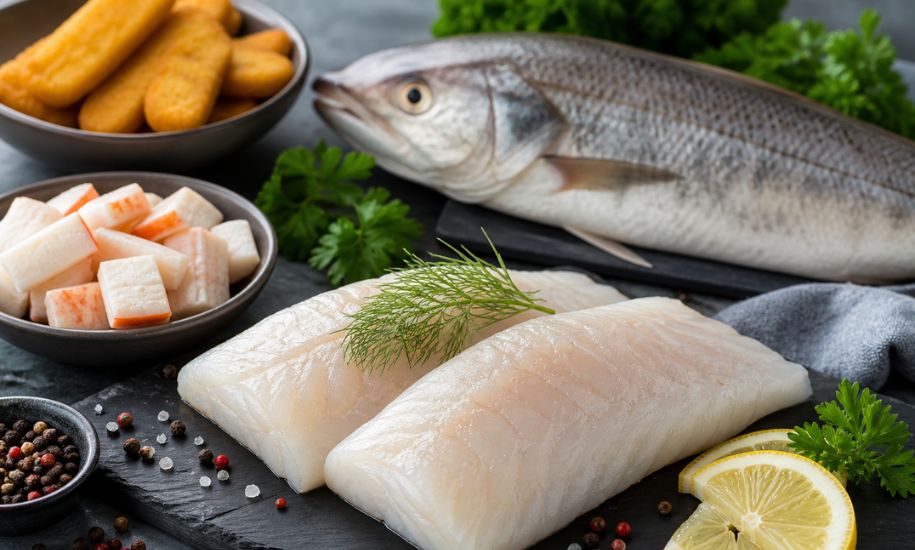
Alaskan seiti is a term that can confuse seafood shoppers because it is not the standard English name for a fish. In most contexts, the term refers to Alaska pollock, a lean white fish from the North Pacific that has become one of the most important seafood species in the global food industry.
You may already have eaten Alaska pollock without realizing it. It is commonly sold as frozen fillets, breaded fish portions, fish sticks, and fish sandwiches. It is also an important ingredient in surimi, the processed seafood used to make imitation crab and similar products.
But what exactly is Alaskan seiti? Is it healthy? Is it sustainable? How does it compare with cod? And what is the best way to cook it at home?
This guide explains the origin, nutrition, flavor, cooking methods, sustainability, uses, and common misconceptions surrounding Alaskan seiti.
What Is Alaskan Seiti?
Alaskan seiti generally refers to Alaska pollock, scientifically known as Gadus chalcogrammus. It is a member of the cod family and is found mainly in the cold waters of the North Pacific.
The species is particularly associated with the Bering Sea and Gulf of Alaska, although its range extends across other parts of the North Pacific.
The name can vary between countries and languages. In English, Alaska pollock is the standard common name, while different European markets may use localized names. This variation is one reason shoppers sometimes encounter terms such as “Alaskan seiti.”
Despite the unusual name, the important point is that Alaska pollock is a genuine marine fish—not a plant-based product and not the same thing as seitan.
Quick Facts About Alaskan Seiti
- Common English name: Alaska pollock
- Scientific name: Gadus chalcogrammus
- Family: Cod family (Gadidae)
- Main habitat: North Pacific Ocean
- Important fishing areas: Bering Sea and Gulf of Alaska
- Type: Lean white fish
- Flavor: Mild and relatively delicate
- Typical uses: Fillets, fish sticks, sandwiches, surimi, and seafood products
What Does Alaskan Seiti Look and Taste Like?
Alaska pollock has a streamlined body and a relatively dark back with a lighter underside. It can grow to around 90 cm, although commercially harvested fish are commonly smaller.
The flesh is white to off-white when cooked and has a mild, clean flavor. Compared with stronger-tasting fish, it is relatively neutral, which makes it useful in recipes where herbs, spices, sauces, or marinades are intended to provide much of the flavor.
Its texture is generally tender and flaky when cooked properly.
This combination of mild flavor, lean flesh, and versatility explains why Alaska pollock is popular with both home cooks and food manufacturers.
Where Does Alaskan Seiti Come From?
Alaska pollock is a North Pacific species. Large populations are found in and around the Bering Sea and Gulf of Alaska.
The fish often live in large groups and can occur at different depths depending on their age, life stage, season, and environmental conditions.
The Bering Sea is particularly important to the commercial Alaska pollock industry. The fishery there has developed into one of the world’s major sources of whitefish.
Its abundance and established fisheries infrastructure have helped make Alaska pollock an affordable seafood option in many countries.
Alaskan Seiti Nutrition
One of the main reasons to consider Alaskan seiti is its nutritional profile.
Alaska pollock is naturally high in protein and relatively low in fat and calories. Exact nutritional values vary depending on the portion, preparation method, and whether the fish is fresh, frozen, breaded, or processed.
For plain cooked Alaska pollock, a typical 100-gram serving provides roughly:
| Nutrient | Approximate amount |
|---|---|
| Calories | Around 90–110 kcal |
| Protein | Around 20–24 g |
| Fat | Around 1–2 g |
| Carbohydrates | 0 g |
| Vitamin B12 | Present |
| Selenium | Present |
| Phosphorus | Present |
These figures should be treated as general estimates rather than universal values because nutrition can vary between products.
1. High in Protein
Alaska pollock provides complete, high-quality protein containing all essential amino acids.
Protein contributes to muscle maintenance, tissue repair, enzyme production, and numerous other functions in the body.
2. Naturally Low in Fat
Plain Alaska pollock is a lean fish. This makes it useful for people looking for protein-rich meals without a large amount of dietary fat.
However, preparation matters. Deep-frying, heavy breading, butter-based sauces, and creamy toppings can substantially increase the calories and fat in an otherwise lean fish.
3. Provides Vitamin B12
Fish such as Alaska pollock can contribute to dietary vitamin B12 intake. Vitamin B12 is important for normal red blood cell formation, neurological function, and DNA synthesis.
4. Contains Selenium
Alaska pollock provides selenium, an essential trace mineral involved in antioxidant defense and normal thyroid function.
5. Provides Phosphorus
Phosphorus plays an important role in bones and teeth as well as energy metabolism and normal cellular function.
Is Alaskan Seiti a Healthy Fish?
For most people, plain Alaska pollock can be part of a balanced diet.
Its combination of lean protein, relatively low calories, and useful micronutrients makes it a practical choice for regular meals.
However, “healthy fish” does not automatically mean every Alaska pollock product is equally healthy. A plain baked fillet is nutritionally different from a heavily breaded and deep-fried fish portion.
For a lighter meal, consider baking, steaming, grilling, or pan-cooking the fish with a modest amount of oil.
Does Alaskan Seiti Contain Omega-3?
Yes, Alaska pollock contains omega-3 fatty acids, but it is not among the richest dietary sources of EPA and DHA.
Oily fish such as salmon, sardines, mackerel, and herring generally provide substantially more long-chain omega-3 fats.
Therefore, Alaska pollock can contribute to a healthy seafood diet, but people specifically trying to maximize omega-3 intake may want to include oily fish as well.
What Does Alaskan Seiti Taste Like?
The flavor of Alaska pollock is one of its biggest advantages.
It is generally:
- Mild
- Clean-tasting
- Slightly sweet
- Tender
- Flaky when cooked properly
Because the flavor is not overpowering, it works well with lemon, garlic, herbs, paprika, black pepper, chili, butter, and many different sauces.
This versatility also makes it suitable for people who do not particularly enjoy strongly flavored seafood.
How Is Alaskan Seiti Used?
Alaska pollock has an unusually wide range of commercial and household uses.
Fresh or Frozen Fillets
Fillets can be:
- Baked
- Grilled
- Pan-fried
- Steamed
- Poached
- Air-fried
Frozen fillets are especially convenient because they can be stored for longer periods and used when needed.
Fish Sticks
Alaska pollock is widely used in breaded and frozen fish products, including fish sticks and portions designed for quick preparation.
Fish Sandwiches
Its mild flavor and relatively firm structure make it suitable for breaded fish sandwiches and other fast-food seafood products.
Surimi
One of the most significant applications of Alaska pollock is surimi.
Surimi is a processed fish protein used to create products designed to resemble crab, lobster, or other seafood. Alaska pollock is an important raw material for surimi production.
It is worth remembering that imitation crab is a processed seafood product, not the same thing nutritionally or culinarily as fresh crab.
How to Cook Alaskan Seiti at Home
Alaska pollock is relatively easy to prepare, making it a useful choice for quick weekday meals.
Simple Baked Alaskan Seiti Recipe
Ingredients:
- 2 Alaska pollock fillets
- 1 tablespoon olive oil
- 1 tablespoon lemon juice
- 1 garlic clove, minced
- Salt and black pepper
- Optional: paprika, parsley, or dried herbs
Instructions
- Preheat the oven to about 200°C.
- Pat the fillets dry with a paper towel.
- Place them on a lightly oiled baking tray or dish.
- Add olive oil, lemon juice, garlic, salt, and pepper.
- Add herbs or paprika if desired.
- Bake until the fish is opaque and flakes easily with a fork.
- Check the thickest part with a food thermometer and cook fish to 63°C (145°F) for food safety.
- Serve immediately with vegetables, potatoes, rice, or a fresh salad.
Cooking time depends on the thickness of the fillets, so using appearance and internal temperature is more reliable than following a fixed number of minutes.
Best Seasonings for Alaskan Seiti
Because Alaska pollock has a mild flavor, you can experiment with different seasoning combinations.
Lemon and Garlic
A simple combination of lemon, garlic, parsley, salt, and black pepper works particularly well.
Spicy Style
For a stronger flavor, use paprika, chili powder, garlic, cumin, and black pepper.
Mediterranean Style
Try olive oil, lemon, oregano, garlic, parsley, and tomatoes.
Asian-Inspired Style
Soy sauce, ginger, garlic, sesame, and a small amount of chili can create a completely different flavor profile.
Is Alaskan Seiti Sustainable?
Sustainability is one of the most important questions surrounding any seafood product.
Alaska pollock is harvested through large, regulated commercial fisheries, particularly in the Bering Sea and Gulf of Alaska. Fisheries management includes catch limits, scientific monitoring, and regulations designed to maintain fish populations and manage the broader ecosystem.
Several Alaska pollock fisheries have also received sustainability certifications or ratings, although certification can depend on the specific fishery, location, and supply chain.
For consumers, the most reliable approach is to check the country of origin, fishery information, and current sustainability certification or seafood guide associated with the particular product.
Why Sustainable Sourcing Matters
Responsible seafood management considers more than simply the number of fish caught.
It can involve:
- Population assessments
- Catch limits
- Monitoring fishing activity
- Bycatch management
- Habitat considerations
- Ecosystem impacts
- Enforcement of fishing regulations
Therefore, it is better to evaluate a specific Alaska pollock fishery or product rather than assuming that every seafood product labeled with a particular species has exactly the same environmental impact.
Alaskan Seiti vs. Cod
Alaska pollock and cod belong to the same broader fish family, but they are different species.
| Feature | Alaska Pollock | Cod |
|---|---|---|
| Flavor | Mild and delicate | Mild, slightly richer |
| Texture | Tender and flaky | Firm and flaky |
| Fat | Low | Generally low |
| Protein | High | High |
| Typical price | Often affordable | Can vary considerably |
| Common uses | Fillets, surimi, fish sticks | Fillets, fish & chips, stews |
| Availability | Very widespread | Widespread |
There is no universal winner. Alaska pollock is particularly attractive when affordability and versatility are priorities, while cod is often preferred when a thicker, firmer fillet is desired.
Alaskan Seiti vs. Haddock
Haddock is another popular white fish.
Haddock generally has a slightly more distinctive flavor and firm, flaky texture. Alaska pollock tends to have a more neutral profile and is heavily used in processed seafood.
The better choice depends on the recipe, availability, and price.
Alaskan Seiti vs. Salmon
The two fish are very different nutritionally and culinarily.
Alaska pollock is lean, mild, and relatively low in calories.
Salmon contains considerably more fat, including substantially higher amounts of EPA and DHA omega-3 fatty acids.
If your priority is a lean protein source, pollock can be attractive. If you specifically want a fish rich in long-chain omega-3 fats, salmon is generally the stronger choice.
Common Misconceptions About Alaskan Seiti
Is Alaskan Seiti the Same as Seitan?
No.
Seitan is a plant-based food made primarily from wheat gluten, while Alaska pollock is a marine fish.
The similar-sounding names can cause confusion, but they are completely unrelated foods.
Is Alaska Pollock a Low-Quality Fish?
Not necessarily.
Its relatively low price does not mean that the fish itself is nutritionally poor. Alaska pollock is a lean source of protein and several important nutrients.
Price is influenced by factors such as supply, processing, fishing economics, distribution, and demand.
Is It Only Used in Fast Food?
No.
Although Alaska pollock is widely used in commercial products, plain fillets can also be baked, grilled, steamed, or pan-cooked at home.
Is It the Same as Pollock From Everywhere?
Not always.
“Pollock” can refer to different species or products depending on the market. Alaska pollock specifically refers to Gadus chalcogrammus.
Reading the scientific name, product label, or country-of-origin information can help distinguish products.
How to Choose Good Alaskan Seiti
When buying frozen or fresh Alaska pollock, look for:
- A clear product label
- Alaska pollock listed as the fish species
- Minimal unnecessary additives
- Intact packaging
- No excessive freezer burn on frozen products
- Appropriate storage temperature
- Reliable sourcing information
For breaded or processed products, also check the nutrition label because added oils, starches, salt, and coatings can significantly change the nutritional profile.
How Should Alaskan Seiti Be Stored?
Fresh fish should be kept properly refrigerated and cooked promptly according to the package or retailer’s guidance.
Frozen Alaska pollock should remain frozen until you are ready to use it. Avoid repeatedly thawing and refreezing seafood.
When thawing frozen fish, refrigerator thawing is generally a safer approach than leaving it at room temperature.
Always follow the storage instructions printed on the product packaging.
Is Alaskan Seiti Safe to Eat?
When properly sourced, stored, and cooked, Alaska pollock can be a safe and nutritious seafood choice.
Like other fish, it can contain naturally occurring environmental contaminants, but Alaska pollock is generally considered a lower-mercury seafood choice compared with many large predatory fish.
Pregnant people, children, and anyone with specific dietary concerns should follow current seafood-consumption guidance from their local food-safety authority.
People with a fish allergy should avoid Alaska pollock.
Why Is Alaskan Seiti So Popular?
Several factors explain its worldwide popularity.
Affordable Protein
Compared with many premium seafood species, Alaska pollock can provide a relatively economical source of high-quality protein.
Mild Flavor
Its subtle flavor appeals to consumers who prefer seafood without a strong fishy taste.
Versatility
It can be used in everything from simple home-cooked fillets to highly processed seafood products.
Commercial Availability
Large-scale fisheries and established processing systems make Alaska pollock widely available in frozen and processed forms.
Sustainability Management
Well-managed fisheries and established monitoring systems have helped make Alaska pollock an important species in discussions about responsibly sourced seafood.
FAQ
What is Alaskan seiti?
Alaskan seiti generally refers to Alaska pollock, a lean white fish from the North Pacific Ocean. “Alaska pollock” is the standard English name.
Is Alaskan seiti healthy?
Yes. Plain Alaska pollock is a lean, protein-rich fish that provides nutrients such as vitamin B12, selenium, and phosphorus. Preparation method can significantly affect the final nutritional value.
Is Alaskan seiti the same as Alaska pollock?
In the context of seafood products, “Alaskan seiti” generally refers to Alaska pollock. However, terminology can vary by country and retailer, so checking the species listed on the package is recommended.
Does Alaskan seiti taste like cod?
Both are mild white fish, but their texture and flavor are not identical. Alaska pollock is generally mild and tender, while cod often has a somewhat firmer, thicker flake.
Is Alaskan seiti sustainable?
Many Alaska pollock fisheries are managed under extensive regulations and scientific monitoring. Sustainability can vary by fishery and supply chain, so checking current certification or seafood-sourcing information for the specific product is best.
Can you cook Alaskan seiti from frozen?
Some commercially packaged pollock products are designed to be cooked from frozen, while others recommend thawing first. Always follow the preparation instructions on the package.
Final Verdict: Is Alaskan Seiti Worth Trying?
Alaskan seiti, generally referring to Alaska pollock, is a practical and versatile white fish that deserves a place in many seafood diets.
Its biggest strengths are its mild flavor, lean protein content, relatively low fat, affordability, and broad culinary applications. It can be transformed into a simple lemon-and-garlic dinner just as easily as it can be used in fish sticks, sandwiches, and surimi.
Its environmental profile also makes it worth considering, although sustainability should always be evaluated at the specific fishery and product level rather than assumed from the species name alone.
For shoppers looking for an affordable white fish that is easy to prepare, Alaska pollock is a strong option. Choose minimally processed fillets when you want the simplest nutritional profile, check sourcing information when sustainability matters to you, and cook the fish thoroughly for the best combination of flavor and food safety.
Key Takeaways
- Alaskan seiti generally refers to Alaska pollock.
- It is a white fish belonging to the cod family.
- It comes primarily from the cold waters of the North Pacific.
- It is naturally lean and rich in protein.
- It provides nutrients including vitamin B12, selenium, and phosphorus.
- Its mild taste makes it highly versatile.
- It is widely used in fillets, fish sticks, sandwiches, and surimi.
- Many Alaska pollock fisheries are subject to extensive management and monitoring.
- Plain baked or grilled fillets are a healthier choice than heavily fried versions.
- “Seiti” should not be confused with seitan, which is a wheat-based plant food.
