


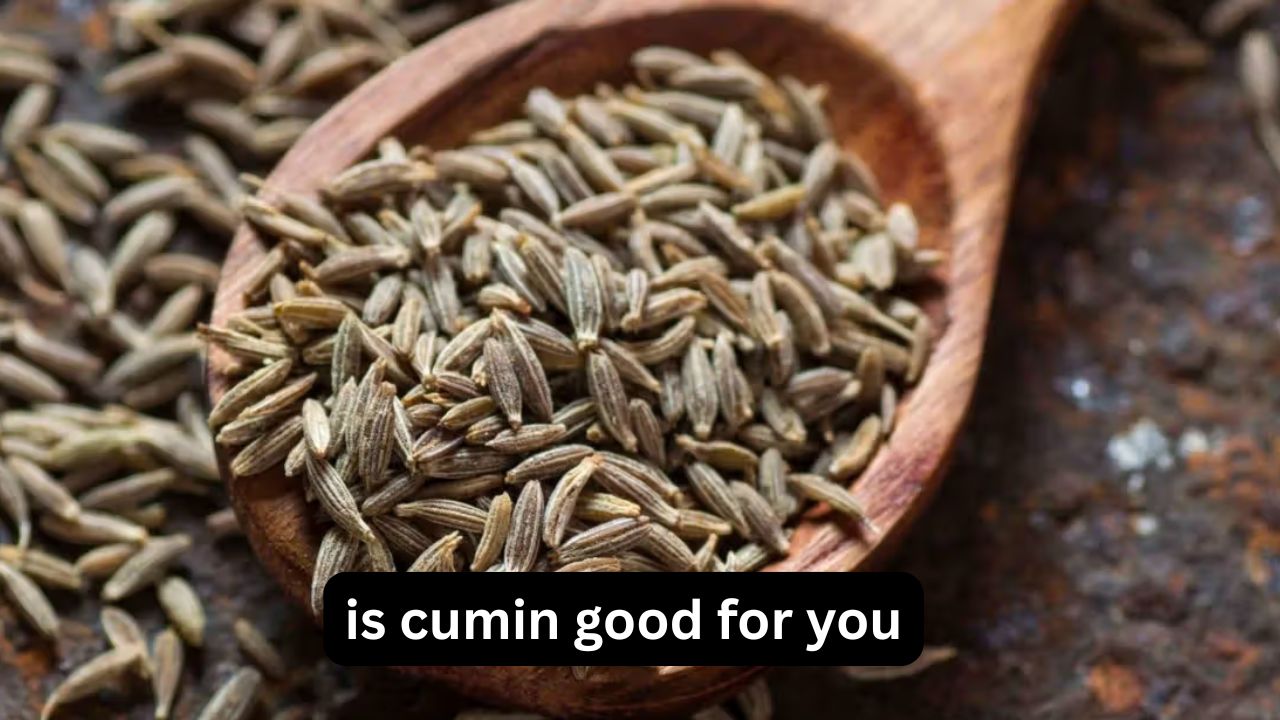
If you reach for cumin because you love its warm, earthy flavor, you may have wondered whether that small amount of spice is doing anything useful for your body. Is cumin good for you? In general, yes. Cumin contains plant compounds and nutrients that may support digestion and provide antioxidant activity, although it should be viewed as a flavorful food rather than a cure or a replacement for medical treatment.
The important distinction is between using cumin as a normal cooking spice and taking concentrated cumin supplements or large amounts for a specific health goal. The evidence is much stronger for cumin as part of a balanced diet than for many of the health claims made about cumin products online.
This guide explains what cumin can realistically offer, how it may affect digestion and blood sugar, how to use it in everyday meals, and where the evidence has limitations. It also covers a few easy-to-miss details that can make a difference, such as preparation, portion size, and why the form of cumin you use matters.
What Is Cumin?
Cumin is the dried seed of the Cuminum cyminum plant. It is widely used in South Asian, Middle Eastern, North African, Mediterranean, and Mexican cooking.
You can buy cumin in several forms:
- Whole cumin seeds: useful for tempering, roasting, and blooming in oil.
- Ground cumin: convenient for curries, soups, sauces, and spice blends.
- Roasted cumin: commonly used in drinks, yogurt dishes, chutneys, and seasoning mixes.
- Cumin oil or supplements: much more concentrated than ordinary culinary use.
Cumin provides small amounts of minerals such as iron and manganese, along with naturally occurring plant compounds. However, because typical recipes use relatively small quantities, cumin should not be considered a major source of any one nutrient.
Its bigger nutritional interest comes from its bioactive plant compounds, particularly compounds with antioxidant properties.
How Is Cumin Good for You?
Cumin may be beneficial in several ways, particularly when it is used regularly as part of a varied diet.
1. It May Support Digestion
One of the most traditional uses of cumin is for digestive comfort. Cumin has long been used in different food cultures after meals or in preparations intended to reduce digestive discomfort.
Some of cumin’s compounds may influence digestive processes, including the activity of digestive enzymes and movement through the gastrointestinal tract.
That does not mean cumin will fix chronic bloating, reflux, constipation, or abdominal pain. If digestive symptoms are persistent or severe, the underlying cause matters more than adding another spice.
For an otherwise healthy person, however, using cumin in food is a simple way to add flavor without relying heavily on salt or rich sauces.
2. It Contains Antioxidant Compounds
Cumin contains plant compounds that can act as antioxidants. Antioxidants help protect cells from oxidative damage caused by reactive molecules produced naturally during metabolism and in response to environmental stress.
This is useful context because “antioxidant” is sometimes presented as if it automatically means “prevents disease.” It does not.
Eating cumin does not guarantee protection from a particular illness. Rather, cumin contributes antioxidant compounds to an overall dietary pattern that includes vegetables, fruits, legumes, whole grains, nuts, seeds, and other plant foods.
3. It May Have a Role in Blood Sugar Management
Research has investigated cumin’s possible effects on blood glucose and metabolic health. Some small human studies have reported changes in blood sugar or related metabolic measurements, but the evidence is not strong enough to treat cumin as a diabetes therapy.
This distinction is especially important.
If someone with diabetes adds cumin to a lentil or vegetable dish, that is generally very different from replacing prescribed treatment with cumin tea or supplements.
A useful way to think about it is:
Cumin can be part of a healthy eating pattern, but it should not be treated as a medication.
4. It Adds Flavor Without Much Energy
This is one of the most practical benefits and one that can get overlooked.
A small amount of cumin can dramatically change the flavor of beans, lentils, vegetables, rice, chicken, soups, and yogurt-based dishes. Because spices are generally used in small quantities, cumin adds substantial flavor without contributing the calories of a large sauce or condiment.
For someone trying to improve their diet, that can be more useful than chasing a supposed “superfood.”
For example, roasted cumin, lemon, garlic, and herbs can make plain vegetables much more appealing without needing a heavy creamy dressing.
Why Is Cumin Good for You When Used in Everyday Cooking?
The answer is partly about what cumin replaces.
Suppose you are preparing a bowl of lentils. You could rely on a large amount of salty seasoning or a rich sauce for flavor. Alternatively, you can build flavor with cumin, garlic, ginger, chili, coriander, and fresh herbs.
The cumin itself is not transforming the meal into a medicinal food. Instead, it helps make nutritious foods enjoyable enough to eat regularly.
This is an important practical insight: a spice can improve the quality of a meal indirectly by making healthy ingredients more satisfying.
Cumin pairs particularly well with:
- Lentils and chickpeas
- Black beans and kidney beans
- Roasted carrots and potatoes
- Cauliflower and squash
- Rice and grain dishes
- Chicken and fish
- Yogurt and raita
- Tomato-based soups and stews
Cumin and Digestion: What Can You Realistically Expect?
Cumin is often associated with digestion because traditional cuisines have used it this way for generations.
If you occasionally feel heavy after eating beans or lentils, cumin may be a pleasant addition to the meal. However, individual responses vary.
For example, if someone develops bloating after eating a particular food, adding cumin does not necessarily remove the underlying trigger. Portion size, fiber intake, eating speed, food intolerances, and the overall meal can all matter.
A practical approach is to use cumin as part of cooking rather than immediately turning to concentrated supplements.
A simple digestion-friendly approach
Try:
- Start with a modest amount of cumin.
- Cook it with the meal rather than consuming a large quantity separately.
- Eat slowly and pay attention to how your body responds.
- If symptoms repeatedly occur, look at the entire meal rather than blaming one ingredient.
That last step is particularly useful. Digestive symptoms often have multiple contributing factors.
Whole Cumin Seeds vs. Ground Cumin
Both forms can be useful, but they behave differently in cooking.
Whole cumin seeds are excellent when you want a deeper, toasted flavor. Briefly heating them in oil can release their aromatic compounds and create a strong base for curries, lentils, rice, and vegetables.
Ground cumin distributes more evenly through food and is convenient for marinades, soups, spice rubs, and yogurt sauces.
There is also a practical freshness issue.
Ground spices have more surface area exposed to air than whole seeds, so their aroma can fade faster. If your ground cumin smells weak or dusty rather than warm and aromatic, it may be time to replace it.
An underrated strategy is to keep whole cumin seeds and grind small amounts when needed. This can give you stronger flavor without needing to use as much.
Does Roasting Cumin Make It Healthier?
Roasting cumin changes its flavor and aroma, but it should not automatically be described as making cumin “healthier.”
Dry roasting can produce a nuttier, deeper flavor and may make the spice more enjoyable in dishes such as raita, roasted vegetables, or spice blends.
However, cooking can also alter individual compounds. The effect depends on temperature, duration, and preparation method.
So if you enjoy roasted cumin, use it because it tastes good and fits your cooking—not because roasting guarantees extra health benefits.
How Much Cumin Should You Eat?
There is no universally established daily amount of cumin that everyone needs for health.
For most people, culinary use is the sensible approach. A teaspoon or less may be spread across a recipe serving several people, depending on the dish.
You do not need to consume large quantities to obtain the culinary benefits of cumin.
This matters because more is not automatically better. Concentrated cumin products can deliver much larger amounts of compounds than you would normally consume in food, and supplements may have different safety considerations.
Cumin Water and Cumin Tea: Are They Necessary?
Cumin water has become popular as a wellness drink, often promoted for digestion, weight loss, detoxification, or metabolism.
There is a useful distinction here.
Drinking cumin-infused water can be a pleasant, low-calorie beverage, but there is not good evidence that it “detoxes” the body or causes significant fat loss by itself.
If someone replaces a sugary drink with unsweetened cumin water, they may benefit from the overall dietary change. The benefit comes largely from the substitution rather than a magical fat-burning effect of cumin.
Your liver, kidneys, lungs, and gastrointestinal system already perform the body’s major detoxification functions. A cumin drink does not need to be marketed as a detox to be useful.
Can Cumin Help With Weight Loss?
Cumin is sometimes promoted as a weight-loss ingredient, but the evidence deserves caution.
Some studies have investigated cumin in relation to body weight and metabolic measurements, including studies using concentrated preparations. Results from small or specific studies should not be interpreted as proof that ordinary cumin consumption causes meaningful weight loss.
A more realistic approach is to use cumin to make nutritious meals more enjoyable.
For example, a high-fiber bowl containing chickpeas, vegetables, whole grains, yogurt, and cumin can be satisfying and flavorful. That meal pattern may support healthy weight management far more meaningfully than drinking cumin water while otherwise maintaining an unbalanced diet.
Cumin vs. Other Common Spices
Cumin does not need to “beat” other spices to be useful. Different spices provide different flavors and plant compounds.
| Spice | Common culinary role | Practical strength |
|---|---|---|
| Cumin | Earthy, warm, savory | Excellent with legumes and roasted foods |
| Turmeric | Earthy, slightly bitter | Useful in curries and rice dishes |
| Ginger | Warm, sharp, fresh | Excellent in savory and sweet preparations |
| Cinnamon | Sweet, warm | Useful in oats, desserts, and some savory dishes |
| Coriander | Citrusy, fresh | Complements cumin particularly well |
| Black pepper | Sharp and pungent | Adds heat and depth |
One useful combination is cumin + coriander. Their flavors complement each other, which can allow you to build complexity without adding excessive salt.
Common Mistakes When Using Cumin for Health
Mistake 1: Treating cumin as medicine
Cumin can be nutritious and useful, but it is not a substitute for treatment prescribed for diabetes, digestive disorders, or other medical conditions.
Mistake 2: Assuming more is better
A larger quantity does not necessarily produce greater benefits. Excessive intake can also make food unpleasant or cause digestive discomfort in some people.
Mistake 3: Believing cumin water burns fat
There is no good reason to expect a cup of cumin water to overcome excess calorie intake or replace a balanced diet and physical activity.
Mistake 4: Ignoring the rest of the meal
A healthy spice cannot compensate for a diet dominated by highly processed foods, excessive sugar, or insufficient fiber.
Mistake 5: Confusing culinary cumin with concentrated products
Cumin used in food is very different from an extract, essential oil, or high-dose supplement. Concentrated products deserve more caution.
Who Should Be More Careful With Cumin?
Most people can enjoy cumin as a normal culinary spice. However, caution makes sense when using concentrated supplements or unusually large amounts.
People taking medications, managing a chronic condition, pregnant or breastfeeding, or considering concentrated herbal products should discuss supplements with a qualified healthcare professional rather than assuming that “natural” means risk-free.
Also pay attention to your own response. If a food repeatedly causes discomfort, stop using it and consider discussing persistent symptoms with a healthcare professional.
Three Less-Obvious Things to Know About Cumin
1. The meal may matter more than the spice
Cumin’s biggest practical advantage may be behavioral rather than pharmacological. When a spice makes beans, vegetables, and whole grains taste better, it can help people eat these foods more consistently.
2. Freshness changes how much you need
Old ground cumin can lose much of its aroma. Fresh, properly stored cumin can deliver stronger flavor with a smaller quantity, which is useful when you are trying to create satisfying food without relying heavily on salt or rich sauces.
3. Cumin’s benefits should be viewed in context
Nutrition rarely comes down to one ingredient. The potential antioxidant and metabolic effects of cumin are interesting, but they are only one small part of a dietary pattern.
A plate containing vegetables, legumes, whole grains, protein, healthy fats, and a variety of herbs and spices is more meaningful for long-term health than any isolated “superfood.”
Easy Ways to Add More Cumin to Your Diet
If you want to use cumin more often, start with meals you already enjoy.
Try these simple ideas:
- Stir ground cumin into hummus.
- Add toasted cumin seeds to lentils.
- Mix roasted cumin into plain yogurt with lemon and herbs.
- Season roasted cauliflower with cumin and paprika.
- Add cumin to black beans or chickpeas.
- Use cumin in a chicken or vegetable marinade.
- Add a small amount to tomato-based soups.
- Combine cumin, coriander, garlic, and chili for a homemade spice blend.
Start small. Cumin has a strong personality, and adding too much can overwhelm an otherwise balanced dish.
FAQ
Is cumin good for you every day?
Cumin can generally be used as part of everyday cooking for people who tolerate it well. It provides flavor and naturally occurring plant compounds, but you do not need to consume large amounts to make your diet healthier. Its value is greatest when it helps you prepare balanced, nutritious meals. Concentrated supplements are a separate issue and should not be treated like ordinary food.
Why is cumin good for your digestion?
Cumin has a long history of culinary and traditional use for digestive comfort, and research has explored its effects on digestive processes. However, evidence does not mean cumin will resolve every cause of bloating, gas, reflux, or abdominal discomfort. If symptoms are persistent, severe, or associated with other concerning changes, the underlying cause should be evaluated rather than relying on cumin alone.
Can cumin help lower blood sugar?
Some research has examined whether cumin may influence blood glucose and other metabolic measures, but the evidence is not strong enough to use cumin as a treatment for diabetes. Adding cumin to nutritious meals can fit within a healthy eating pattern. Anyone taking glucose-lowering medication should not replace prescribed treatment with cumin or cumin supplements.
Is cumin water good for weight loss?
Cumin water is a low-calorie beverage, but there is not strong evidence that it directly causes significant fat loss. It may be useful if it replaces sugary drinks, but that benefit comes primarily from reducing overall calorie intake. Sustainable weight management depends on the broader pattern of eating, activity, sleep, and other lifestyle factors.
Is roasted cumin better than regular cumin?
Roasting changes cumin’s aroma and flavor and can make it taste nuttier and deeper. It does not automatically make cumin healthier, because heating can also change individual compounds. Choose roasted or unroasted cumin based mainly on the dish and the flavor you prefer.
Can you eat too much cumin?
Large amounts of cumin are unnecessary for most people, and consuming concentrated preparations is different from using cumin as a cooking spice. Some people may experience digestive discomfort when consuming excessive amounts. If you are considering high-dose cumin supplements, especially while taking medication or managing a medical condition, professional advice is appropriate.
Conclusion
So, is cumin good for you? Yes, when viewed realistically. Cumin provides naturally occurring plant compounds, can contribute antioxidant activity, and may support digestive and metabolic health, although many of the stronger health claims surrounding cumin require more research.
Its most reliable everyday advantage may be simpler: it makes nutritious food taste better. Adding cumin to lentils, beans, vegetables, yogurt, soups, and whole-grain dishes can help create flavorful meals without depending on excessive salt, sugar, or heavy sauces.
Use it as a food, enjoy its flavor, and keep its benefits in perspective. A varied diet built around minimally processed foods will always matter more than any single spice.
