


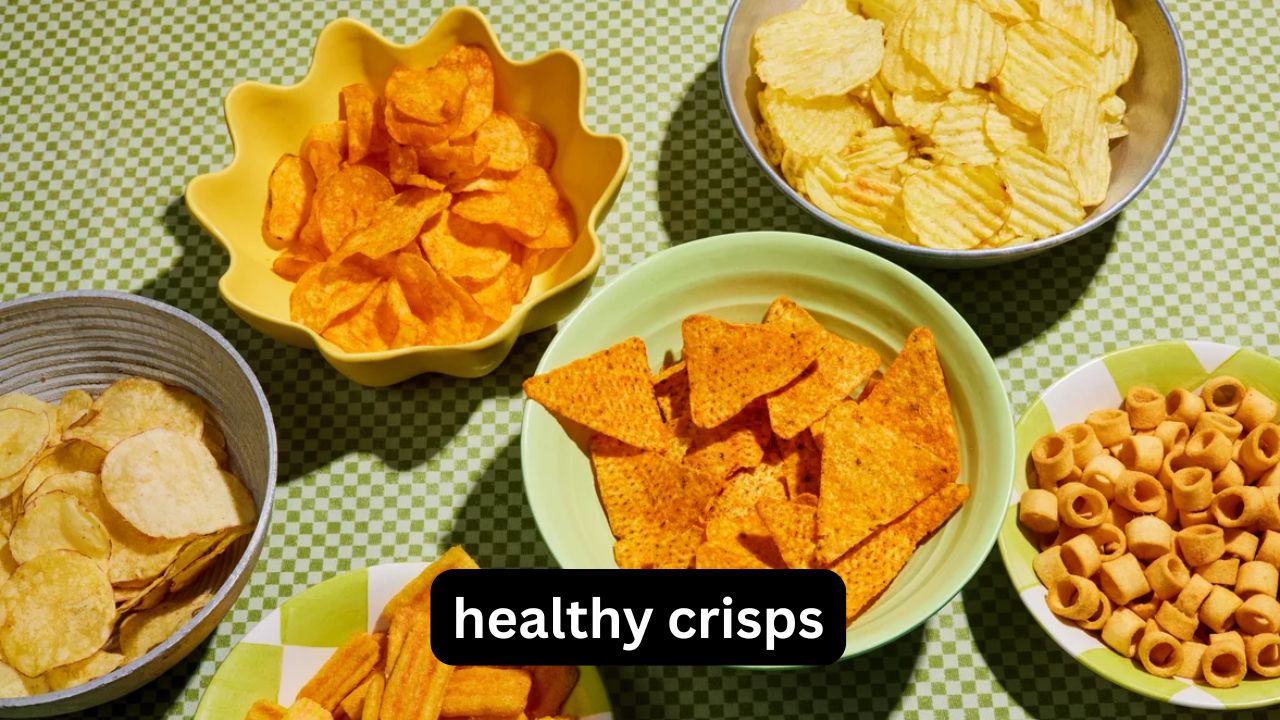
If you love the crunch of crisps but are trying to eat better, you may have noticed that choosing a “healthy” packet is not always straightforward. A bag can be labelled baked, high-protein, vegetable-based or lower-fat while still containing plenty of salt, calories or refined starch. That is why finding genuinely healthy crisps is less about clever packaging and more about knowing what to look for.
For shoppers in the UK, there are now more choices than ever, from lentil and pea crisps to baked potato snacks and supermarket own-brand alternatives. But the best option depends on why you are eating them. A snack for a child, a post-workout bite and something to enjoy while losing weight may need very different nutritional qualities.
This guide explains how to choose healthier crisps, what makes a good alternative, which ingredients deserve attention, and how to make supermarket shopping easier. It also covers options commonly found at Aldi and Co-op, plus simple alternatives when traditional crisps do not fit your goals.
What Makes Crisps Healthy?
There is no official category of “healthy crisps” that automatically makes one packet good for everyone.
Instead, look at the overall nutritional profile. A better choice will generally have a sensible portion size, moderate salt and saturated fat, and enough fibre or protein to make the snack satisfying.
When comparing packets, check:
- Calories per serving
- Salt
- Saturated fat
- Fibre
- Protein
- Added ingredients and flavourings
- Actual serving size
The last point is surprisingly important.
A packet might advertise 100 calories per serving, but if the bag contains two or three servings, it is easy to eat considerably more than you intended.
Baked does not automatically mean healthy
“Baked” is one of the most common health-related claims on crisp packets, but it should not be treated as a guarantee.
Baked crisps can contain less fat than some traditional fried crisps, but they can still be relatively high in salt and calories. Some also contain refined starches that make them easy to eat quickly without feeling particularly full.
Think of “baked” as one useful piece of information rather than the final answer.
Are Healthy Crisps Good for Weight Loss?
They can be, but portion size matters more than the word “healthy” on the front of the packet.
If you are trying to lose weight, a small serving of crisps can fit into your diet perfectly well. The problem usually occurs when a snack becomes an unplanned second meal.
A useful approach is to portion crisps into a bowl rather than eating directly from a large bag.
For example:
- Check the nutrition information.
- Decide how much you actually want.
- Put that amount into a bowl.
- Put the packet away before you start eating.
This simple habit can make a bigger difference than switching from one premium crisp brand to another.
What should you prioritise?
For weight loss, look for snacks that give you reasonable enjoyment without using a large proportion of your daily energy intake.
Fibre and protein can also help with satiety, although a crisp snack should not be expected to provide the same nutritional value as a balanced meal.
A useful combination is:
A modest portion of crisps + a protein-rich or fibre-rich food
For example, you could have a small serving of lentil crisps alongside Greek-style yoghurt, hummus and vegetables, or a piece of fruit.
This tends to be more satisfying than repeatedly reaching for crisps because the first portion did not quite fill you up.
What Are the Best Healthy Crisps in the UK?
The “best” choice depends on your priorities, but several types are worth considering when shopping in the UK.
1. Lentil crisps
Lentil-based snacks are popular because they can provide more protein and fibre than some conventional potato crisps.
However, do not assume every lentil crisp is automatically healthier. Some varieties are heavily seasoned and can contain significant amounts of salt.
Compare the nutrition panel rather than buying them purely because lentils appear in the name.
2. Pea crisps
Pea-based snacks can be another useful alternative. Their texture is usually quite different from standard potato crisps, but they can work well when you want something crunchy.
Look for products with a relatively simple ingredient list and avoid assuming that green colouring or a vegetable name means the product counts as a serving of vegetables.
3. Baked crisps
Baked versions can be useful if you specifically want to reduce fat compared with a traditional fried product.
They are particularly helpful for people who enjoy the taste and texture of conventional crisps but want a slightly different nutritional profile.
Again, check salt and calories rather than relying on the word “baked”.
4. Wholegrain or grain-based crisps
Wholegrain snacks can offer more fibre, depending on the ingredients and recipe.
The important distinction is whether whole grains are genuinely prominent in the product or whether the packaging simply uses health-oriented language.
5. Vegetable crisps
Vegetable crisps can sound like the perfect healthy snack because they may contain beetroot, parsnip, carrot or other vegetables.
But once vegetables are sliced, cooked in oil and seasoned, the nutritional picture changes considerably.
They can still be enjoyable, but they should not be treated as unlimited vegetables.
Healthy Crisps for Kids: What Should Parents Look For?
Children do not need every snack to be perfect. What matters more is the overall pattern of their diet.
When choosing crisps for children, pay particular attention to salt and portion size.
Young children generally have lower nutritional requirements than adults, so an adult-sized bag can represent a surprisingly large snack.
Better habits for kids
Instead of giving a child an entire large packet, try:
- A small portion alongside lunch
- Crisps with fruit and yoghurt
- A small snack box containing several foods
- Lower-salt options when available
- Homemade crunchy snacks occasionally
It is also worth avoiding the idea that a particular snack is completely “bad”. Teaching children that some foods can be enjoyed occasionally is generally more practical than creating strict forbidden-food rules.
A useful parent trick
Serve the crunchy snack with something naturally filling.
For example:
Small crisp portion + fruit + yoghurt
or
Small crisp portion + cucumber/carrot sticks + hummus
The goal is not to make crisps disappear from a child’s diet. It is to prevent them from becoming the entire snack.
Healthy Crisps at Aldi: How to Choose
If you are searching for healthy crisps at Aldi, the easiest strategy is to compare the available options on the shelf rather than searching for one magical “healthy” product.
Supermarket ranges change, so a product available one month may not be available the next.
When shopping, compare similar products using the nutrition panel.
Look for:
- Lower salt where practical
- Sensible calorie content per portion
- Less saturated fat
- Higher fibre where available
- A portion size you can realistically stick to
Aldi’s own-brand products can sometimes offer good value, but price should not be confused with nutritional quality. The cheapest packet is not necessarily the best choice, and the most expensive “better-for-you” snack is not automatically healthier either.
What About Healthy Crisps at Co-op?
The same principle applies when shopping at Co-op.
Convenience stores are particularly useful for individual or smaller packets because portion control can be easier than buying a large sharing bag.
When comparing options, turn the packet around.
The front may highlight claims such as:
- Baked
- High protein
- Vegan
- Made with vegetables
- Reduced fat
- Natural ingredients
These claims can be useful, but the nutrition table tells you much more about how the product fits your diet.
A practical supermarket rule
If two packets look equally appealing, compare them per 100g first.
Then consider the actual amount you are likely to eat.
This prevents a product with a very small advertised serving from appearing healthier simply because its numbers look low per serving.
Healthy Crisps Alternatives That Still Feel Like a Treat
Sometimes the best solution is not finding a better packet of crisps. It is replacing some crisp occasions with something that provides the same satisfying crunch.
Good alternatives include:
Popcorn
Plain or lightly seasoned popcorn can be a useful crunchy snack because popcorn is a whole grain.
The nutritional difference between varieties can be significant, though. Sweet, caramel-coated and heavily buttered popcorn can be much more energy-dense than plain popcorn.
Roasted chickpeas
Roasted chickpeas provide crunch while also contributing protein and fibre.
They are particularly useful if you find that ordinary crisps leave you hungry soon afterwards.
Rice cakes or corn cakes
These are light and crunchy, although they are not necessarily more nutritious simply because they contain fewer calories.
Use them as a base for something more satisfying, such as cottage cheese, hummus or another protein-rich topping.
Homemade potato wedges
If you have time, potatoes can actually make an excellent snack.
Cut potatoes into thin wedges or slices, lightly coat them with oil, season them and bake until crisp.
You control the ingredients, seasoning and portion size.
Nuts and seeds
Nuts provide healthy unsaturated fats, protein and other nutrients. However, they are calorie-dense, so a small handful is generally more practical than eating directly from a large packet.
An Often-Missed Point: Crunch Can Affect Satisfaction
One useful insight is that people sometimes crave texture, not necessarily a particular food.
If what you want is a loud, crispy crunch, replacing crisps with something soft may leave you unsatisfied even if the alternative is nutritionally excellent.
That is why crunchy alternatives can work better than simply telling yourself to “eat healthier”.
Consider the actual reason you want the snack:
- Crunch: popcorn, roasted chickpeas or vegetable sticks
- Saltiness: lightly salted alternatives
- Something to dip: baked snacks with hummus
- A filling snack: protein plus a small crunchy portion
- A treat: a deliberately portioned serving of your favourite crisps
This approach makes healthier eating more realistic.
Another Overlooked Issue: Flavour Intensity
Strongly flavoured crisps can encourage faster eating because every bite delivers a concentrated combination of salt, seasoning and texture.
That does not mean flavoured crisps are automatically unhealthy. But if you regularly finish a packet without noticing, try switching to a simpler flavour and eating it from a bowl.
You may discover that the real issue was not the specific crisp but how quickly the snack was consumed.
This is one reason mindful portioning can sometimes be more useful than endlessly searching for a “perfect” crisp.
How to Read a Crisp Packet Properly
You do not need to become a nutrition expert to compare snacks.
Use this quick process.
Step 1: Check the serving size
Ask yourself whether the stated serving is realistic.
If you would normally eat twice that amount, mentally double the calories and salt.
Step 2: Look at salt
Crisps can contribute a meaningful amount of salt to the diet, especially when eaten frequently.
If two similar products are available, choosing the lower-salt option is a simple improvement.
Step 3: Check saturated fat
A lower saturated-fat option may be preferable if you eat crisps regularly.
Step 4: Look at fibre
Higher fibre can make a snack more satisfying, although fibre alone does not turn a processed snack into a health food.
Step 5: Check the ingredient list
A long ingredient list is not automatically bad, and a short one is not automatically healthy.
Instead, look at what the product is actually made from and whether the nutritional information matches your goals.
Common Mistakes When Buying Healthy Crisps
Mistake 1: Trusting the front of the packet
Marketing claims are designed to attract attention. Always check the back.
Mistake 2: Assuming vegetable crisps equal vegetables
They are still snack foods and should not replace actual vegetables in your diet.
Mistake 3: Ignoring portions
A healthier crisp can still contribute a lot of calories if you eat several servings.
Mistake 4: Choosing “high protein” without checking everything else
Protein is useful, but a high-protein snack can still be high in salt, fat or calories.
Mistake 5: Buying large bags for convenience
Large sharing bags often make portion control harder.
If you know you tend to finish them, smaller packets can sometimes be the more practical choice.
A Simple Healthy Crisp Strategy
If you enjoy crisps and do not want to give them up, try the three-part snack rule:
1. Choose a portion.
Do not eat from the bag.
2. Add something filling.
Fruit, yoghurt, hummus, vegetables or another suitable protein/fibre-rich food can make the snack more satisfying.
3. Eat without distractions when possible.
Put the food in a bowl and actually taste it rather than automatically eating while scrolling or watching television.
This does not require eliminating crisps. It simply turns an automatic habit into a deliberate snack.
Are Healthy Crisps Actually Worth Buying?
Yes, if they help you enjoy snacks while making choices that fit your nutritional goals.
But you do not need to buy specialist “health” crisps to have a balanced diet.
For some people, a small portion of ordinary crisps alongside a balanced snack is more satisfying than an expensive alternative they do not enjoy. For others, lentil, pea or baked snacks may provide the texture and flavour they want with a nutritional profile that better suits their needs.
The best option is therefore the one you can enjoy in a sensible portion and as part of your overall diet.
FAQ
What are the healthiest crisps to eat in the UK?
There is no single healthiest crisp for everyone. Compare products for calories, salt, saturated fat, fibre and portion size, rather than relying on claims such as “baked” or “vegetable”. Lentil, pea, baked and wholegrain-based snacks can be useful options, but the nutrition label should make the final decision.
Are healthy crisps good for weight loss?
They can be included in a weight-loss diet when portions are controlled. Weight loss depends on overall energy intake rather than whether a packet is marketed as healthy. A small serving combined with a filling food can be more satisfying than repeatedly snacking on crisps alone.
What are healthy crisps for kids?
For children, prioritise sensible portions and lower-salt choices where possible. Crisps can be served alongside foods such as fruit, yoghurt, vegetables or hummus rather than becoming the whole snack. The overall quality of a child’s diet matters more than finding one perfect crisp.
Are vegetable crisps healthier than normal crisps?
Not necessarily. Vegetable crisps may contain vegetables, but they are still processed snacks and can contain considerable amounts of oil and salt. Compare their nutrition information with ordinary crisps before deciding which is the better option.
What are good healthy alternatives to crisps?
Popcorn, roasted chickpeas, lightly prepared potato snacks, nuts, seeds and crunchy vegetables can all provide some of the qualities people enjoy about crisps. The best alternative depends on whether you are looking for crunch, saltiness, convenience or fullness.
Can I eat crisps while trying to lose weight?
Yes. You do not have to completely remove crisps from your diet to lose weight. A measured portion that fits your overall calorie needs can be enjoyed as part of a balanced eating pattern.
Conclusion
Finding genuinely better healthy crisps is less about finding a packet with the biggest health claim and more about understanding what is inside it. Check the portion size, salt, saturated fat, fibre and calories, then consider how the snack fits into your whole day.
For kids, sensible portions and a balanced snack are more important than finding a perfect product. For weight loss, portion control and overall energy intake matter most. And for supermarket shopping at places such as Aldi or Co-op, comparing similar products directly is usually more reliable than trusting front-of-pack marketing.
Most importantly, healthy eating does not have to mean giving up the foods you enjoy. If you love the crunch of crisps, choose a portion you can manage, pair it with something filling when needed, and enjoy it deliberately rather than treating every snack as a test of willpower.
