


Introduction
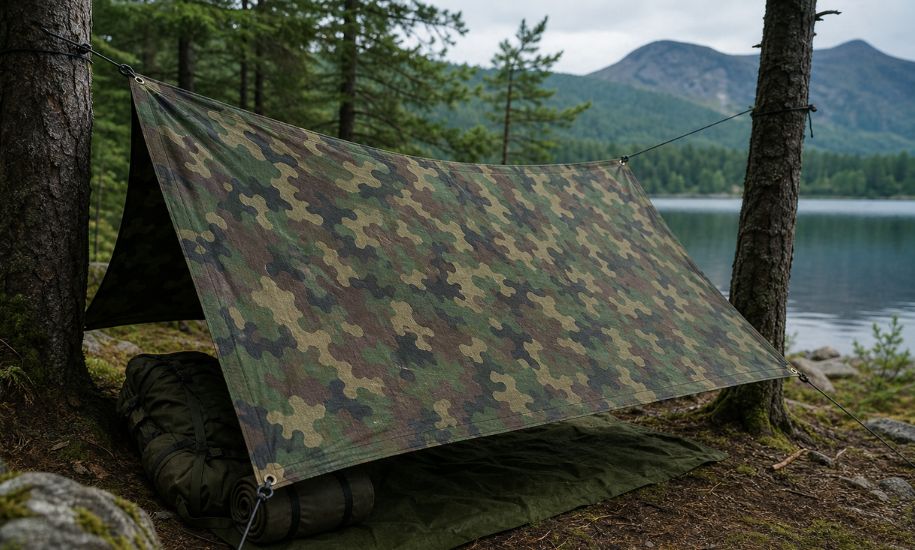
In the world of outdoor gear and survival equipment, few tools are as versatile and practical as tarnplanen. Whether you are a camper, hunter, survival enthusiast, or someone simply looking for durable outdoor protection, tarnplanen offer a powerful combination of concealment and resilience. Originally rooted in military applications, these camouflage tarps have evolved into multi-purpose tools used across various civilian activities worldwide.
This comprehensive guide explores everything you need to know about tarnplanen—from their origins and features to their uses, benefits, and practical tips for choosing the right one.
What Are Tarnplanen?
7
The term “tarnplanen” comes from the German language, where:
- “Tarn” means camouflage or concealment
- “Planen” means tarps or sheets
Put together, tarnplanen refers to camouflage tarpaulins designed to blend into natural or urban environments while offering protection from the elements.
Unlike regular tarps, tarnplanen are specifically engineered to reduce visibility. They feature natural patterns such as woodland, desert, or snow camouflage, allowing them to seamlessly merge with surroundings.
The History and Evolution of Tarnplanen
Tarnplanen originated in Germany and were initially developed for military use during the 20th century. Armed forces needed reliable materials that could both protect equipment and conceal positions from enemies. Camouflage tarps quickly became essential for hiding vehicles, setting up field camps, and creating temporary shelters.
Over time, their effectiveness led to widespread adoption beyond the military. Outdoor enthusiasts, survivalists, and even homeowners began using tarnplanen for practical purposes. Today, they are a global product found in camping stores, tactical gear shops, and online marketplaces.
Key Features of Tarnplanen
6
Tarnplanen stand out because of their specialized features. Here are the most important ones:
1. Camouflage Design
The defining feature of tarnplanen is their camouflage pattern. These designs are created to match specific environments such as forests, deserts, or snowy regions, helping users stay hidden.
2. Waterproof and Weather-Resistant
Most tarnplanen are made with waterproof or water-resistant materials, making them ideal for rain protection and shelter building.
3. Durable Construction
High-quality tarnplanen are built using strong materials like polyester or nylon. Reinforced edges and grommets ensure they can withstand heavy use, wind, and tension.
4. Lightweight and Portable
Despite their durability, tarnplanen are surprisingly lightweight. This makes them easy to carry during hikes, camping trips, or tactical missions.
5. Low Reflection Surface
Unlike standard tarps, tarnplanen minimize light reflection, reducing the chances of detection in bright conditions.
6. Multi-Functional Design
They can be used as shelters, covers, ground sheets, or even makeshift tents, making them incredibly versatile.
Materials Used in Tarnplanen
6
The performance of tarnplanen largely depends on the materials used. Common materials include:
- Polyester: Known for durability and resistance to UV damage
- Nylon (Ripstop): Lightweight and tear-resistant
- PVC-Coated Fabrics: Provide excellent waterproofing
- Blended Synthetic Fibers: Offer a balance of strength and flexibility
These materials are often treated with coatings to enhance water resistance, mold prevention, and UV protection.
Main Uses of Tarnplanen
Tarnplanen are valued for their versatility. Let’s explore their primary applications:
1. Military and Tactical Use
5
In military settings, tarnplanen are used for:
- Concealing vehicles and equipment
- Building temporary shelters
- Creating observation posts
- Reducing visibility from surveillance
Their ability to blend into surroundings makes them a critical tactical tool.
2. Camping and Outdoor Adventures
7
Outdoor enthusiasts rely on tarnplanen for:
- Emergency shelters
- Rain and sun protection
- Ground covers
- Cooking or resting areas
They are especially useful for minimalist campers who prefer lightweight gear.
3. Hunting and Wildlife Photography
7
Hunters and photographers use tarnplanen to:
- Stay hidden from animals
- Create blinds or hides
- Observe wildlife without disturbance
This ensures a more natural interaction with the environment.
4. Everyday Civilian Use
6
Beyond outdoor adventures, tarnplanen are useful for:
- Covering vehicles or machinery
- Garden shading and protection
- Temporary shelters at events
- DIY outdoor setups
Their durability makes them suitable for long-term use.
Benefits of Using Tarnplanen
Using tarnplanen offers several advantages:
- Excellent concealment in natural environments
- Strong weather protection against rain, wind, and sun
- Versatility for multiple applications
- Durability for long-term use
- Portability for easy transport
These benefits make tarnplanen a smart investment for both professionals and hobbyists.
Tarnplanen vs Regular Tarps
Understanding the difference between tarnplanen and standard tarps can help you choose the right option:
FeatureTarnplanenRegular TarpsDesignCamouflagePlain or brightVisibilityLowHighReflectionMinimalOften reflectivePurposeConcealment + protectionProtection only
If your goal is stealth and blending into surroundings, tarnplanen are clearly the better choice.
How to Choose the Right Tarnplanen
Selecting the right tarnplanen depends on your needs. Consider the following factors:
1. Size
Choose a size that matches your intended use—larger for shelters, smaller for covers.
2. Material
For lightweight travel, go with ripstop nylon. For heavy-duty use, opt for polyester or PVC-coated tarps.
3. Camouflage Pattern
Pick a pattern that matches your environment:
- Woodland for forests
- Desert for dry areas
- Snow for winter conditions
4. Waterproof Rating
Check the waterproof level if you plan to use it in rainy conditions.
5. Reinforcements
Look for strong stitching and metal grommets for better durability.
Maintenance and Care Tips
To extend the lifespan of your tarnplanen:
- Clean it regularly to remove dirt and debris
- Dry it completely before storage to prevent mold
- Store in a cool, dry place
- Avoid sharp objects that may tear the material
Proper care ensures long-lasting performance.
Environmental Considerations
While tarnplanen are highly useful, responsible usage is important. Avoid damaging trees when setting them up and ensure they do not harm wildlife habitats. Many modern tarnplanen are now designed with eco-friendly materials, making them safer for the environment.
The Growing Popularity of Tarnplanen
In recent years, tarnplanen have gained popularity across the globe. From survival communities to outdoor adventurers, more people are recognizing their value. Social media and online forums have also contributed to their rise, showcasing creative ways to use these versatile tarps.
Conclusion
Tarnplanen are far more than just simple tarps—they are powerful tools that combine concealment, durability, and versatility. Whether you are navigating the wilderness, preparing for emergencies, or simply looking for reliable outdoor protection, tarnplanen provide a dependable solution.
Their military origins highlight their effectiveness, while their modern applications demonstrate their adaptability. With the right choice and proper care, a tarnplanen can serve you in countless ways for years to come.
If you’re passionate about outdoor gear, survival tools, or practical innovations, keep exploring more insights like this on our blog Getty Meta, where we break down useful tools and trends for everyday life.
